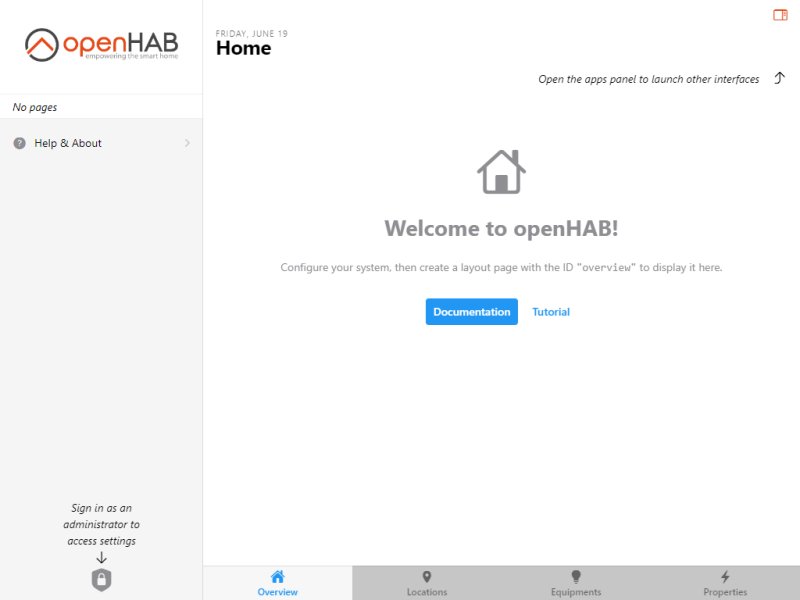
openHAB has released version 5.3.0 M1 of its open-source home automation platform, which provides users with the ability to unify and control various smart devices and gadgets within their homes. This platform, known as the Open Home Automation Bus, is designed for flexibility and does not confine users to specific ecosystems or devices, making it suitable for both casual users and tech enthusiasts who value privacy and customization.
By using openHAB, users can automate numerous home functions, such as dimming lights at 9 PM, watering lawns at 5 AM, or brewing coffee at 7 AM. The setup process requires a compatible computer or server (like a PC, laptop, or Raspberry Pi) and Java installation. Users can choose from a multitude of smart devices to integrate, including smart plugs, bulbs, thermostats, and security cameras. The platform supports a wide range of devices and protocols like Zigbee, Z-Wave, MQTT, KNX, HomeKit, and more, ensuring compatibility with an extensive array of smart gadgets.
Setting up openHAB varies by operating system, but generally involves downloading the software, adding necessary add-ons, and configuring devices through a web interface. The platform supports over 300 bindings, which are modular add-ons that allow seamless integration with different hardware and software ecosystems, acting as bridges between openHAB and the devices.
While openHAB offers significant advantages in terms of privacy—operating primarily offline and keeping user data local—it also presents a steeper learning curve than many out-of-the-box smart home solutions. Users need some technical knowledge to effectively navigate the setup and customization processes, although extensive community support and documentation are available.
Overall, openHAB represents a robust and scalable option for those looking to create a tailored smart home experience, appealing to both privacy-conscious users and those eager to explore the possibilities of home automation.
Moreover, given its extensive binding support, openHAB can adapt to evolving technology trends, allowing users to keep their home automation ecosystems up-to-date without being locked into proprietary systems. Users who enjoy experimenting and optimizing their setups will find openHAB's flexibility particularly rewarding, enabling them to implement complex automation scenarios tailored to their unique lifestyles.
In the future, improvements in user interface design, enhanced tutorials, and streamlined installation processes could further lower the entry barrier for new users, fostering a wider adoption of openHAB. As more households adopt smart technology, platforms like openHAB may play a crucial role in shaping the future of home automation, balancing the need for convenience with the imperative of user control over data and device integrations
By using openHAB, users can automate numerous home functions, such as dimming lights at 9 PM, watering lawns at 5 AM, or brewing coffee at 7 AM. The setup process requires a compatible computer or server (like a PC, laptop, or Raspberry Pi) and Java installation. Users can choose from a multitude of smart devices to integrate, including smart plugs, bulbs, thermostats, and security cameras. The platform supports a wide range of devices and protocols like Zigbee, Z-Wave, MQTT, KNX, HomeKit, and more, ensuring compatibility with an extensive array of smart gadgets.
Setting up openHAB varies by operating system, but generally involves downloading the software, adding necessary add-ons, and configuring devices through a web interface. The platform supports over 300 bindings, which are modular add-ons that allow seamless integration with different hardware and software ecosystems, acting as bridges between openHAB and the devices.
While openHAB offers significant advantages in terms of privacy—operating primarily offline and keeping user data local—it also presents a steeper learning curve than many out-of-the-box smart home solutions. Users need some technical knowledge to effectively navigate the setup and customization processes, although extensive community support and documentation are available.
Overall, openHAB represents a robust and scalable option for those looking to create a tailored smart home experience, appealing to both privacy-conscious users and those eager to explore the possibilities of home automation.
Extended Insights
As smart homes continue to grow in popularity, openHAB stands out due to its open-source nature, which not only promotes user privacy but also encourages community contributions that lead to ongoing improvements and innovations. With an increasingly diverse range of devices entering the market, the ability to integrate various technologies into a single platform, as offered by openHAB, can significantly enhance the user experience and functionality of smart homes.Moreover, given its extensive binding support, openHAB can adapt to evolving technology trends, allowing users to keep their home automation ecosystems up-to-date without being locked into proprietary systems. Users who enjoy experimenting and optimizing their setups will find openHAB's flexibility particularly rewarding, enabling them to implement complex automation scenarios tailored to their unique lifestyles.
In the future, improvements in user interface design, enhanced tutorials, and streamlined installation processes could further lower the entry barrier for new users, fostering a wider adoption of openHAB. As more households adopt smart technology, platforms like openHAB may play a crucial role in shaping the future of home automation, balancing the need for convenience with the imperative of user control over data and device integrations
openHAB 5.3.0 M1 released
openHAB is an Open-Source home automation platform that lets you unify and control various smart devices and gadgets.