
Discord confirmed that a bug in its automated moderation system wrongfully banned more than 8,200 accounts over two months, with harmless images containing square grid patterns, such as chess boards, Minecraft textures, and spreadsheets, triggering the false positives. The company restored all affected accounts on July 7, 2026, after a wave of additional bans exposed a dual failure in its similarity-matching database that issued permanent bans instead of review pauses and failed to automatically lift cleared accounts.
Discord says 8,200 users were wrongfully banned by an AI moderation bug; all accounts restored
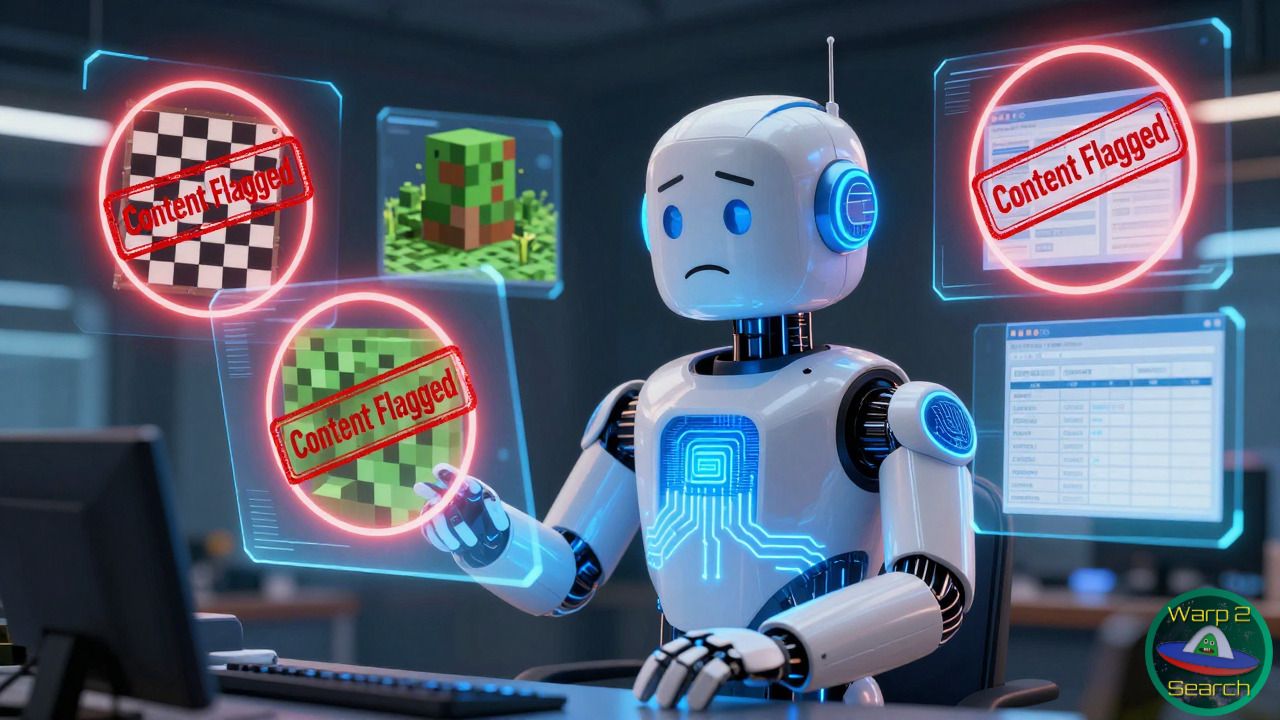
The false positives were triggered by harmless grid patterns in images ranging from chess boards to Minecraft textures.
Discord has confirmed that a bug in its automated moderation system wrongfully banned more than 8,200 accounts over roughly two months. The issue came to light on July 7, 2026, when TechCrunch reported that roughly 200 additional accounts were caught in a fresh wave of false positives. Discord confirmed all affected accounts have been reinstated.
The incident traces back to May 2026. While the cumulative count of bans climbed quietly over the first eight weeks, a spike of roughly 200 bans in a single weekend pushed the problem into the open. That's when Discord finally acknowledged the flaw and scrambled to roll back the damage.
So what did users actually upload to get banned? If you're keeping score, it's harmless grid patterns. We're talking chess board screenshots, Minecraft game textures, spreadsheets, tiled floors, window panes, and even transparent white or gray backgrounds. The moderation system flagged these square grids as prohibited content due to a flaw in its content similarity-matching database.
Keep in mind that this wasn't a failure of the AI to understand context. Instead, it was a raw similarity match where a problematic hash caused images with geometric regularities to trip the alarm. Discord noted that square grid patterns share visual traits with certain categories of prohibited material that have historically used such designs to obscure content from detection systems. The algorithm was simply too sensitive to those geometric cues.
The technical failure wasn't isolated to the initial flag. It was a compounding disaster involving two distinct bugs. The first issue: the system was supposed to pause uploads for human review when a match was detected. Instead, it issued a permanent ban immediately. The second bug made things worse. Even after Trust & Safety staff manually reviewed the content and cleared it as safe, the bans did not lift automatically. Users remained locked out even after their accounts had passed moderation checks.
The human cost
The impact went far beyond lost chat history. Users lost access to gaming communities, purchased server boosts, and digital assets. For businesses, the stakes were higher. One indie developer reported roughly $15,000 in lost sales during a 48-hour blackout, alongside disrupted customer support channels.
Frustration has been boiling over on X and Reddit since the disclosure. User @jdbryantdev shared that their game textures were detected as CSAM by the automod, a claim that highlights just how jarring these false positives can be for creators.
"Losing a Discord account to something as unfair as this can be extremely devastating and affect users severely," one affected user wrote on X. "Every day millions of users are affected by false AI bans. This needs to be stopped."
Discord issued an apology via X, stating: "We sincerely apologize to the users who were incorrectly suspended. This was an unintended software bug in our automated moderation system, not a deliberate action." The company pledged to implement better safeguards to prevent a recurrence.
This incident fits a pattern of AI moderation growing pains across the industry. Meta and Tumblr faced similar mass-suspension complaints in 2025, prompting the Electronic Frontier Foundation to call for mandatory human review checkpoints before permanent bans take effect. As platforms scale, human review becomes economically difficult, making false positive prevention a critical design challenge.
