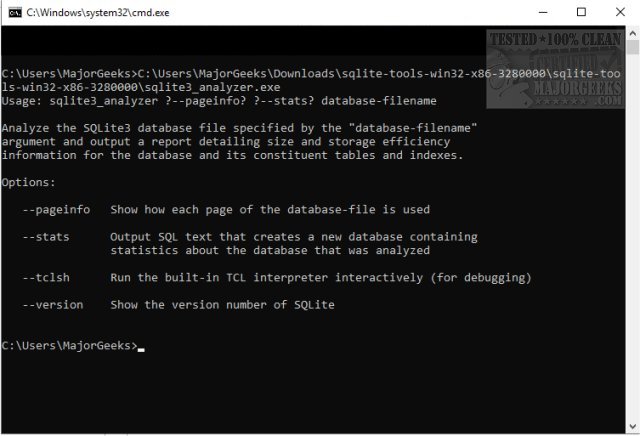
SQLite version 3.53.2 has been released, introducing a simplified command-line option for managing SQLite databases, alongside an available GUI version. SQLite is an embedded, self-contained SQL database engine that operates without a separate server process, allowing it to read and write directly to disk files. This unique approach means that all components of the database—including tables, indices, triggers, and views—are stored in a single cross-platform disk file, making it easy to transfer between different systems and architectures. Its compact size, often less than 600 KB with all features enabled, makes SQLite a lightweight solution for applications.
SQLite is recognized for its reliability, with extensive testing protocols in place to ensure performance and stability. An automated test suite runs millions of test cases, achieving comprehensive coverage and ensuring that transactions are ACID-compliant even during unexpected interruptions. While SQLite maintains transparency about its bugs and provides detailed change logs, it has a strong reputation for robustness compared to some commercial alternatives.
In addition to its technical features, SQLite's database file format has been endorsed by the US Library of Congress, further solidifying its position as a preferred storage solution. It is important to note that while SQLite serves as a powerful embedded database, it is not intended as a direct replacement for larger systems like Oracle but rather as an efficient alternative to traditional file handling methods.
To extend on this, future updates could focus on enhancing performance optimizations, expanding GUI capabilities, and integrating more advanced features for handling larger datasets. Moreover, as the demand for mobile applications and IoT devices grows, SQLite's lightweight nature positions it well to serve as a foundational database engine in these emerging technologies. Continuous improvements in security measures and support for new programming languages could also enhance its appeal to a broader audience of developers
SQLite is recognized for its reliability, with extensive testing protocols in place to ensure performance and stability. An automated test suite runs millions of test cases, achieving comprehensive coverage and ensuring that transactions are ACID-compliant even during unexpected interruptions. While SQLite maintains transparency about its bugs and provides detailed change logs, it has a strong reputation for robustness compared to some commercial alternatives.
In addition to its technical features, SQLite's database file format has been endorsed by the US Library of Congress, further solidifying its position as a preferred storage solution. It is important to note that while SQLite serves as a powerful embedded database, it is not intended as a direct replacement for larger systems like Oracle but rather as an efficient alternative to traditional file handling methods.
To extend on this, future updates could focus on enhancing performance optimizations, expanding GUI capabilities, and integrating more advanced features for handling larger datasets. Moreover, as the demand for mobile applications and IoT devices grows, SQLite's lightweight nature positions it well to serve as a foundational database engine in these emerging technologies. Continuous improvements in security measures and support for new programming languages could also enhance its appeal to a broader audience of developers
SQLite 3.53.2 released
SQLite enables a simplified command-line option for working with SQLite databases. GUI version is also available.