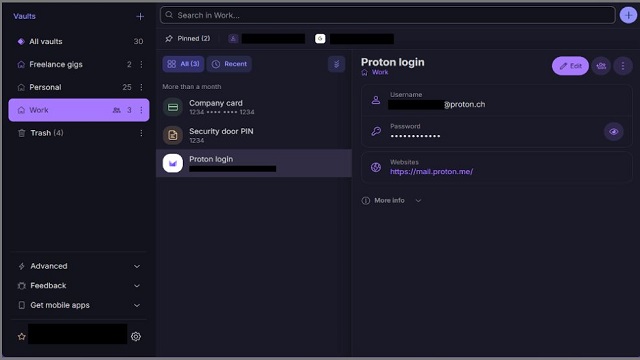
Proton Pass 1.36.1 has been released, enhancing its position as an open-source password and identity manager developed by Proton AG in Switzerland. This tool is designed to securely store logins, two-factor authentication (2FA) codes, email aliases, secure notes, and files, all protected by end-to-end encryption.
Proton Pass Overview
Proton Pass distinguishes itself from conventional password managers by offering built-in email aliasing and secure identity management features. Users can generate temporary email addresses for various online registrations, providing an extra layer of security against data breaches. In case of a breach, users can easily change both their passwords and email addresses, minimizing the risk of compromise.
User Experience
The application is praised for its user-friendly interface, with smooth autofill capabilities across major browsers and platforms, including Windows, macOS, Linux, Android, and iOS. The synchronization process is efficient, although users must log in to a Proton account for this feature to function.
Key Features
- Comprehensive Encryption: Proton Pass ensures full encryption of all stored data, including URLs and metadata, addressing a common flaw in many password managers that still expose sensitive information.
- Email Aliasing: This feature allows users to create disposable email addresses, protecting their primary inbox from spam.
- Integrated 2FA Authenticator: The inclusion of a 2FA tool reduces reliance on multiple applications for security codes.
- Versatile Storage Options: Users can store a wide range of sensitive information, such as files, credit card details, and other identity-related data.
- Secure Sharing: Passwords and notes can be shared securely, even with non-Proton users.
- Premium Features: Paid subscriptions offer additional functionalities, including passkeys, enhanced security checks, and dark-web monitoring.
Areas for Improvement
While the free version is robust, it lacks features like dark-web alerts and advanced security checks, which are reserved for paid subscribers. Customer support is limited to email and a knowledge base, with no real-time assistance available. Additionally, while the pricing is reasonable for the privacy-focused service, it may not appeal to users on a strict budget.
Conclusion
Proton Pass is a commendable choice for users prioritizing security and privacy over flashy marketing. Its strong encryption, email aliasing, and integrated 2FA capabilities place it ahead of standard password managers. Although some areas could be enhanced, such as customer support and budget-friendly pricing, Proton Pass remains a solid option for those seeking a comprehensive identity management solution.
For further inquiries or community support, users can visit the Major Geeks Forums, where assistance is readily available.
Extension
As digital privacy continues to be a critical concern, tools like Proton Pass are increasingly relevant. Future updates could potentially focus on expanding customer support services, integrating AI-driven assistance for quicker resolution of user queries, and offering more budget-friendly plans or promotions to attract a broader audience. Additionally, enhancing collaboration features for teams and organizations could make Proton Pass an essential tool for businesses looking to safeguard sensitive information. With ongoing advancements in cybersecurity, Proton Pass may also explore incorporating biometric authentication methods for added security, thereby staying ahead in the competitive landscape of password management solutions
Proton Pass Overview
Proton Pass distinguishes itself from conventional password managers by offering built-in email aliasing and secure identity management features. Users can generate temporary email addresses for various online registrations, providing an extra layer of security against data breaches. In case of a breach, users can easily change both their passwords and email addresses, minimizing the risk of compromise.
User Experience
The application is praised for its user-friendly interface, with smooth autofill capabilities across major browsers and platforms, including Windows, macOS, Linux, Android, and iOS. The synchronization process is efficient, although users must log in to a Proton account for this feature to function.
Key Features
- Comprehensive Encryption: Proton Pass ensures full encryption of all stored data, including URLs and metadata, addressing a common flaw in many password managers that still expose sensitive information.
- Email Aliasing: This feature allows users to create disposable email addresses, protecting their primary inbox from spam.
- Integrated 2FA Authenticator: The inclusion of a 2FA tool reduces reliance on multiple applications for security codes.
- Versatile Storage Options: Users can store a wide range of sensitive information, such as files, credit card details, and other identity-related data.
- Secure Sharing: Passwords and notes can be shared securely, even with non-Proton users.
- Premium Features: Paid subscriptions offer additional functionalities, including passkeys, enhanced security checks, and dark-web monitoring.
Areas for Improvement
While the free version is robust, it lacks features like dark-web alerts and advanced security checks, which are reserved for paid subscribers. Customer support is limited to email and a knowledge base, with no real-time assistance available. Additionally, while the pricing is reasonable for the privacy-focused service, it may not appeal to users on a strict budget.
Conclusion
Proton Pass is a commendable choice for users prioritizing security and privacy over flashy marketing. Its strong encryption, email aliasing, and integrated 2FA capabilities place it ahead of standard password managers. Although some areas could be enhanced, such as customer support and budget-friendly pricing, Proton Pass remains a solid option for those seeking a comprehensive identity management solution.
For further inquiries or community support, users can visit the Major Geeks Forums, where assistance is readily available.
Extension
As digital privacy continues to be a critical concern, tools like Proton Pass are increasingly relevant. Future updates could potentially focus on expanding customer support services, integrating AI-driven assistance for quicker resolution of user queries, and offering more budget-friendly plans or promotions to attract a broader audience. Additionally, enhancing collaboration features for teams and organizations could make Proton Pass an essential tool for businesses looking to safeguard sensitive information. With ongoing advancements in cybersecurity, Proton Pass may also explore incorporating biometric authentication methods for added security, thereby staying ahead in the competitive landscape of password management solutions
Proton Pass 1.36.1 released
Proton Pass is an Open Source password/identity manager that keeps all your logins, 2FA codes, email aliases, secure notes, and files locked down with end-to-end encryption.