
Four US states are demanding a $1.4 trillion penalty from Meta, alleging the company deliberately engineered Facebook and Instagram to addict children while concealing the harms. Meta called the figure an "outlandish theoretical maximum" as the case heads to an advisory jury trial in Oakland this August.
Meta Faces $1.4 Trillion Penalty Demand from Four US States in Youth Safety Lawsuit
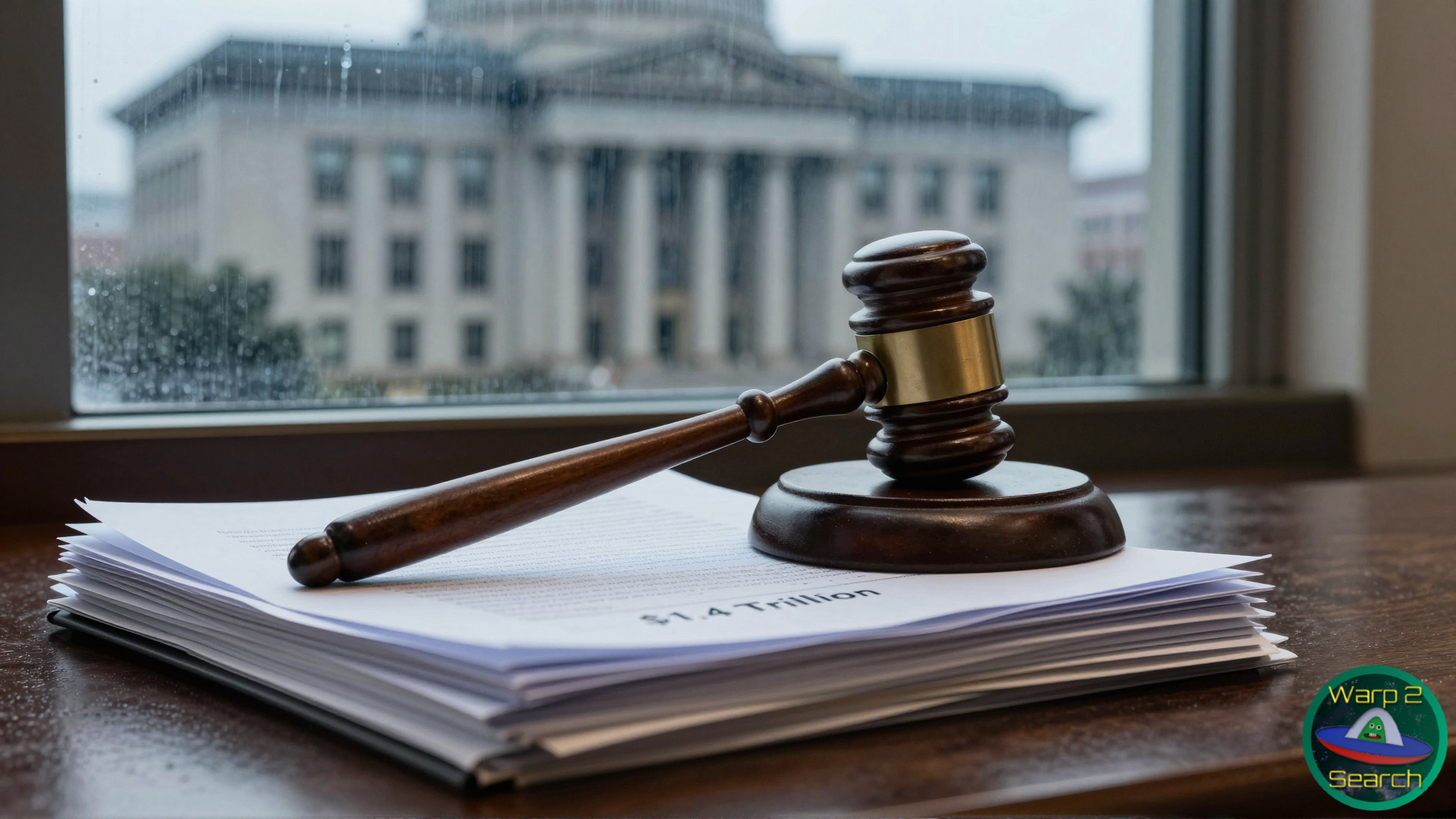
Four US states are asking a federal judge to slap Meta with a $1.4 trillion penalty. California, Colorado, Kentucky, and New Jersey made the disclosure in a court filing on July 6, setting the stage for a trial that kicks off around August 18 before US District Judge Yvonne Gonzalez Rogers in Oakland. Meta has responded with what you might call a measured scoff, calling the figure an "outlandish theoretical maximum" that has no analog in consumer protection history.
The math behind the number is where things get genuinely strange. The states' methodology is still sealed, but Judge Gonzalez Rogers let them explain it during a June hearing. They multiplied statutory per-violation fines by the estimated number of teen and young adult users affected by Facebook and Instagram. When you start multiplying state fines across tens of millions of minors, the figure balloons fast. It's a calculation exercise that Meta has repeatedly argued is untethered from any actual court precedent.
This isn't Meta's first rodeo with state attorneys general over child safety. The company has already lost back-to-back trials on the issue. In March, a New Mexico jury handed the state a $375 million verdict after finding that Meta concealed what it knew about child exploitation and mental health harms on its apps. Another California case, the first to actually go to a jury on social-media addiction, also went against the company. If you're keeping score, that's over $375 million in direct damages already, not including the dozens of settlements and ongoing federal COPPA claims from nearly 30 other states.
The Legal Split
The current Oakland case bundles two distinct lines of attack. The first layer tackles federal COPPA violations, which covers how Meta collected data from users under 13 without parental consent. The second, and where the headline-grabbing penalty demand lives, targets state consumer-protection laws. California, Colorado, Kentucky, and New Jersey argue that Meta's public safety disclosures were deliberately misleading, claiming the company designed its feeds to be addictive for minors while publicly denying it.
Four more states are pursuing identical consumer-protection claims in a separate trial scheduled for February 2027, and 14 additional states have filed their own consumer-protection suits. All told, more than 40 state attorneys general have now joined the legal fight against Meta's youth safety practices. The bipartisan spread is notable. California and Kentucky are leading the charge, which tells you the political pressure isn't split along traditional left-right lines anymore.
Meta's defense rests on a few key points. The company argues that "social media addiction" isn't a formally recognized psychiatric condition, so its safety statements can't legally mislead anyone about it. It also maintains that Facebook and Instagram aren't marketed exclusively to kids under 13, which it says keeps it outside COPPA's scope.
The stock market didn't flinch much. META closed near $600 on July 6 after the filing surfaced, up roughly 3% on the day. That kind of shrug usually means investors treat these numbers as aggressive opening bids rather than expected outcomes. Shares are down about 10% year-to-date, though that's more about broader tech sector rotation and Meta's own AI spending worries than the lawsuit itself. The market has plenty of other things to price in right now, from chip supply chains to quarterly earnings calls that feel like political debates, so a quadrillion-dollar demand gets filed away under "headline bait" until a judge actually rules on it.
If Judge Gonzalez Rogers proceeds with her plan to seat an advisory jury, the trial will test whether "addictive design" can legally constitute consumer deception under state law. It's a question courts have barely touched. Should the states win, the penalty calculation method could rewrite how regulators price violations against Big Tech. If it collapses, it might actually weaken the hand of other platforms already paying settlements to avoid trial. Snap, YouTube, and TikTok have all quietly paid up. Meta's decided to keep the lights on and fight.
The case is set for trial on August 18 in Oakland. Court watchers will be watching closely to see whether a $1.4 trillion demand survives a jury room, or if it gets whittled down to something that actually looks like a number a judge could sign.
