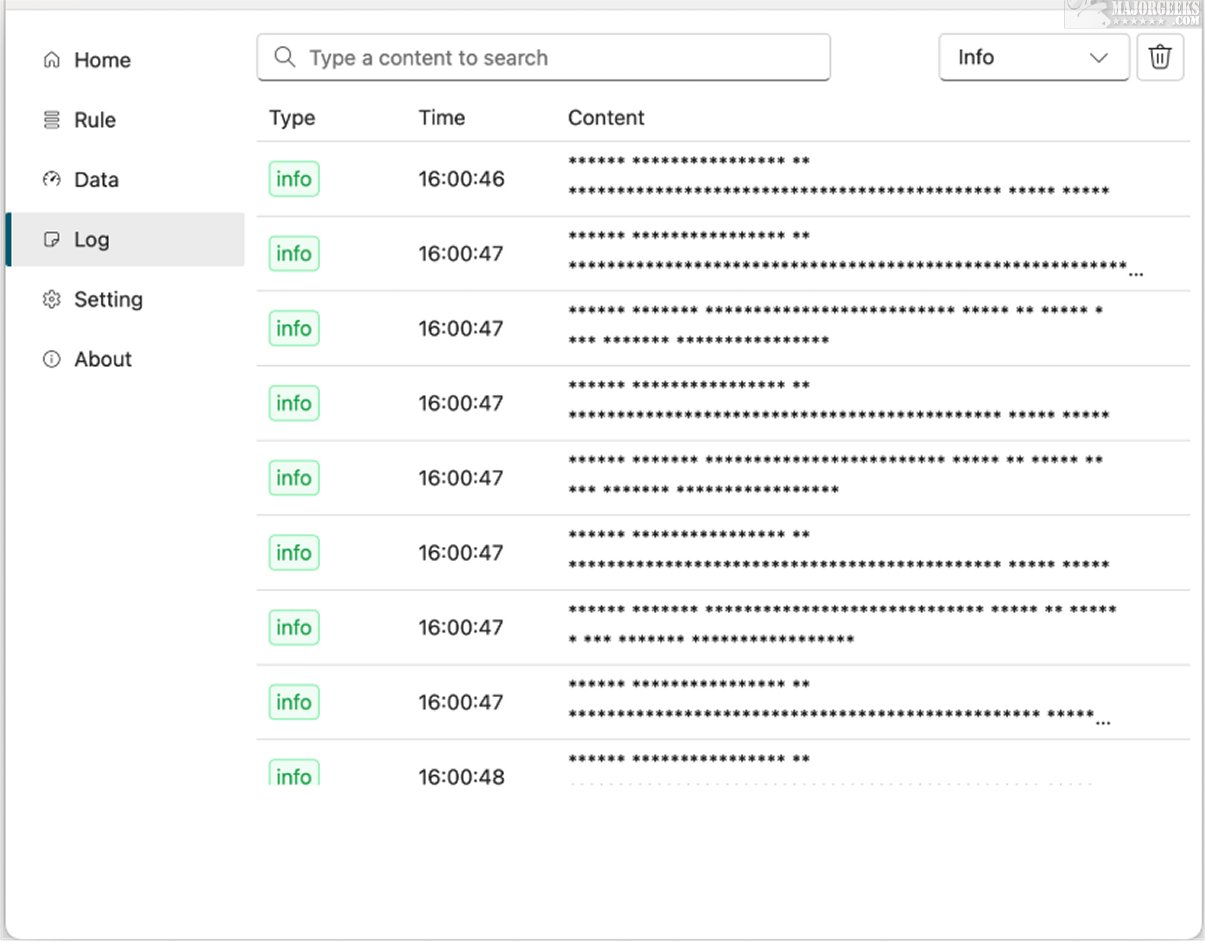
Lux VPN version 1.41.0 has been released, offering enhanced online security features aimed at protecting users from trackers, adware, and other digital threats. The VPN service provides a streamlined way to safeguard personal information while improving the overall browsing experience.
Designed for users of all skill levels, Lux features an intuitive interface that allows for easy monitoring and switching between different connection types, such as Shadowsocks or Socks5. Users can start using the application by selecting the type of connection they wish to establish, with the ability to import a connection directly from the clipboard. Configuration involves entering specific details like the connection name, server address, port number, password, and encryption type, allowing for a customized and secure setup.
The application boasts a comprehensive dashboard that tracks both upload and download speeds, along with detailed insights into applications and processes involved in data transmission. The Connection tab provides a list of active processes, their respective domains, and associated rules and network configurations. Additionally, users can create and test new rules effectively within the application.
Lux operates by setting up a local server on the user's system, which differentiates it from traditional Shadowsocks setups. This local server configuration allows for greater flexibility in managing network traffic, but it requires that applications using Lux are compatible with SOCKS or HTTP protocols. Consequently, developers need to ensure their applications can handle these protocols for optimal functionality.
In summary, Lux is an open-source proxy client that aims to provide users with full control over their data while prioritizing privacy and security. For those seeking an easy-to-use solution, Lux stands out as a viable option.
Extension:
As online security concerns continue to rise, services like Lux VPN are becoming increasingly important for users looking to protect their digital footprint. By utilizing advanced encryption methods and providing detailed insights into data usage, Lux empowers users to make informed decisions about their online activities. Furthermore, the development of such tools highlights the growing awareness of the importance of data privacy in an era where cyber threats are prevalent.
Looking ahead, Lux could expand its features to include integrated threat detection, alerts for suspicious activity, and enhanced compatibility with a wider array of applications. As technology evolves, constant updates and improvements will be essential to maintain security and usability. Users can also benefit from community-driven enhancements, given Lux's open-source nature, fostering collaboration and innovation in the realm of online security solutions. Ultimately, as more individuals recognize the value of protecting their online presence, services like Lux will play a critical role in shaping the future of internet safety
Designed for users of all skill levels, Lux features an intuitive interface that allows for easy monitoring and switching between different connection types, such as Shadowsocks or Socks5. Users can start using the application by selecting the type of connection they wish to establish, with the ability to import a connection directly from the clipboard. Configuration involves entering specific details like the connection name, server address, port number, password, and encryption type, allowing for a customized and secure setup.
The application boasts a comprehensive dashboard that tracks both upload and download speeds, along with detailed insights into applications and processes involved in data transmission. The Connection tab provides a list of active processes, their respective domains, and associated rules and network configurations. Additionally, users can create and test new rules effectively within the application.
Lux operates by setting up a local server on the user's system, which differentiates it from traditional Shadowsocks setups. This local server configuration allows for greater flexibility in managing network traffic, but it requires that applications using Lux are compatible with SOCKS or HTTP protocols. Consequently, developers need to ensure their applications can handle these protocols for optimal functionality.
In summary, Lux is an open-source proxy client that aims to provide users with full control over their data while prioritizing privacy and security. For those seeking an easy-to-use solution, Lux stands out as a viable option.
Extension:
As online security concerns continue to rise, services like Lux VPN are becoming increasingly important for users looking to protect their digital footprint. By utilizing advanced encryption methods and providing detailed insights into data usage, Lux empowers users to make informed decisions about their online activities. Furthermore, the development of such tools highlights the growing awareness of the importance of data privacy in an era where cyber threats are prevalent.
Looking ahead, Lux could expand its features to include integrated threat detection, alerts for suspicious activity, and enhanced compatibility with a wider array of applications. As technology evolves, constant updates and improvements will be essential to maintain security and usability. Users can also benefit from community-driven enhancements, given Lux's open-source nature, fostering collaboration and innovation in the realm of online security solutions. Ultimately, as more individuals recognize the value of protecting their online presence, services like Lux will play a critical role in shaping the future of internet safety
Lux 1.41.0 released
Lux VPN service is designed to enhance your online security by shielding you from trackers, adware, and various other digital threats. This innovative system provides a robust solution for safeguarding your personal information and enhancing your online browsing experience.