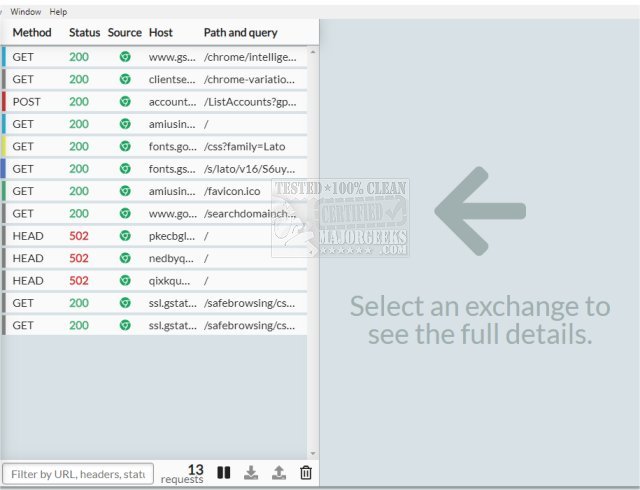
HTTP Toolkit has released version 1.26.1, enhancing its functionality for automatically intercepting HTTP and HTTPS traffic across a wide range of clients. This includes popular web browsers like Chrome and Firefox, various command-line interface (CLI) tools, and back-end programming languages such as Node.js, Python, and Ruby.
As an HTTP(S) proxy, HTTP Toolkit simplifies the process for platforms that lack built-in integrations and maintains compatibility with standard HTTP requests from a diverse array of languages and tools. Users can easily sift through the intercepted traffic, with features that highlight content type, status, and source. The toolkit allows for efficient searching by URL, status, and headers, making it easier to locate specific messages of interest.
In addition, HTTP Toolkit provides comprehensive insights into requests and responses, including URL, status, headers, and body information, all supplemented with inline explanations and documentation sourced from MDN. The application utilizes the powerful Monaco editor from Visual Studio Code to facilitate the examination of message bodies, with features like highlighting and autoformatting for various formats, including JSON, HTML, JS, and hex.
Another significant feature is the ability to pause and edit live HTTP traffic, enabling users to modify requests on-the-fly. This includes altering the target URL, method, headers, or body, and the option to manually respond to requests as they arrive, or to pass them upstream while editing the real response en route. The toolkit also supports stepping through requests individually or mocking endpoints and errors as needed.
Key features of HTTP Toolkit include:
- Cross-platform compatibility (Linux, Mac, Windows)
- Comprehensive interception integrations
- Essential debugging capabilities for HTTP traffic
- Tools for manual HTTP mocking and rewriting
With this latest release, users can expect improved usability and expanded capabilities, making HTTP Toolkit an essential tool for developers and network engineers requiring efficient HTTP traffic management.
- Expanding integration with additional programming languages and frameworks.
- Introducing machine learning capabilities for predictive analysis of traffic patterns.
- Improved user interface for easier navigation and traffic management.
- Enhanced collaboration features allowing multiple users to work on traffic analysis simultaneously.
- Integration with cloud services for remote traffic monitoring and analysis.
These enhancements could further solidify HTTP Toolkit's position as a leading tool for developers focused on HTTP debugging and traffic management
As an HTTP(S) proxy, HTTP Toolkit simplifies the process for platforms that lack built-in integrations and maintains compatibility with standard HTTP requests from a diverse array of languages and tools. Users can easily sift through the intercepted traffic, with features that highlight content type, status, and source. The toolkit allows for efficient searching by URL, status, and headers, making it easier to locate specific messages of interest.
In addition, HTTP Toolkit provides comprehensive insights into requests and responses, including URL, status, headers, and body information, all supplemented with inline explanations and documentation sourced from MDN. The application utilizes the powerful Monaco editor from Visual Studio Code to facilitate the examination of message bodies, with features like highlighting and autoformatting for various formats, including JSON, HTML, JS, and hex.
Another significant feature is the ability to pause and edit live HTTP traffic, enabling users to modify requests on-the-fly. This includes altering the target URL, method, headers, or body, and the option to manually respond to requests as they arrive, or to pass them upstream while editing the real response en route. The toolkit also supports stepping through requests individually or mocking endpoints and errors as needed.
Key features of HTTP Toolkit include:
- Cross-platform compatibility (Linux, Mac, Windows)
- Comprehensive interception integrations
- Essential debugging capabilities for HTTP traffic
- Tools for manual HTTP mocking and rewriting
With this latest release, users can expect improved usability and expanded capabilities, making HTTP Toolkit an essential tool for developers and network engineers requiring efficient HTTP traffic management.
Future Enhancements
Looking ahead, potential future enhancements could include:- Expanding integration with additional programming languages and frameworks.
- Introducing machine learning capabilities for predictive analysis of traffic patterns.
- Improved user interface for easier navigation and traffic management.
- Enhanced collaboration features allowing multiple users to work on traffic analysis simultaneously.
- Integration with cloud services for remote traffic monitoring and analysis.
These enhancements could further solidify HTTP Toolkit's position as a leading tool for developers focused on HTTP debugging and traffic management
HTTP Toolkit 1.26.1 released
HTTP Toolkit offers automatic interception of HTTP and HTTPS traffic from most clients, including web browsers like Chrome and Firefox, almost all CLI tools, and back-end languages (Node.js, Python, Ruby, and more).