
AMD has officially pinned the Zen 6 architecture to a July 22 launch window, kicking off with 2nm-powered EPYC Venice server processors. Consumer Ryzen desktops are deferred to CES 2027, but new 12-core chiplets and massive efficiency gains are already reshaping the datacenter race.
AMD Confirms Zen 6 Launch Window for July 22 to 23 "Advancing AI" Event
Zen 6 EPYC "Venice" drops first. Consumer Ryzen 10000 desktop lands at CES 2027. Here’s what changes.
AMD has officially pinned its next-generation Zen 6 architecture to a July 22 to 23 launch window. CTO and Executive VP Mark Papermaster confirmed the timing during recent enterprise talks, setting the stage for the company’s upcoming "Advancing AI" event. Server first. Desktop later.
Papermaster didn’t mince words about enterprise demand. He noted that decades of x86 install bases aren’t just going to vanish overnight. "At our Advancing AI event on July 22nd and 23rd, we're rolling out this new generation," he said. "It continues the kind of leadership x86 CPU, but it's designed in such a way that it matches what I just described a moment ago. It's optimized for standalone x86 traditional workloads." That’s a clear pivot back to raw processing power alongside the AI push.
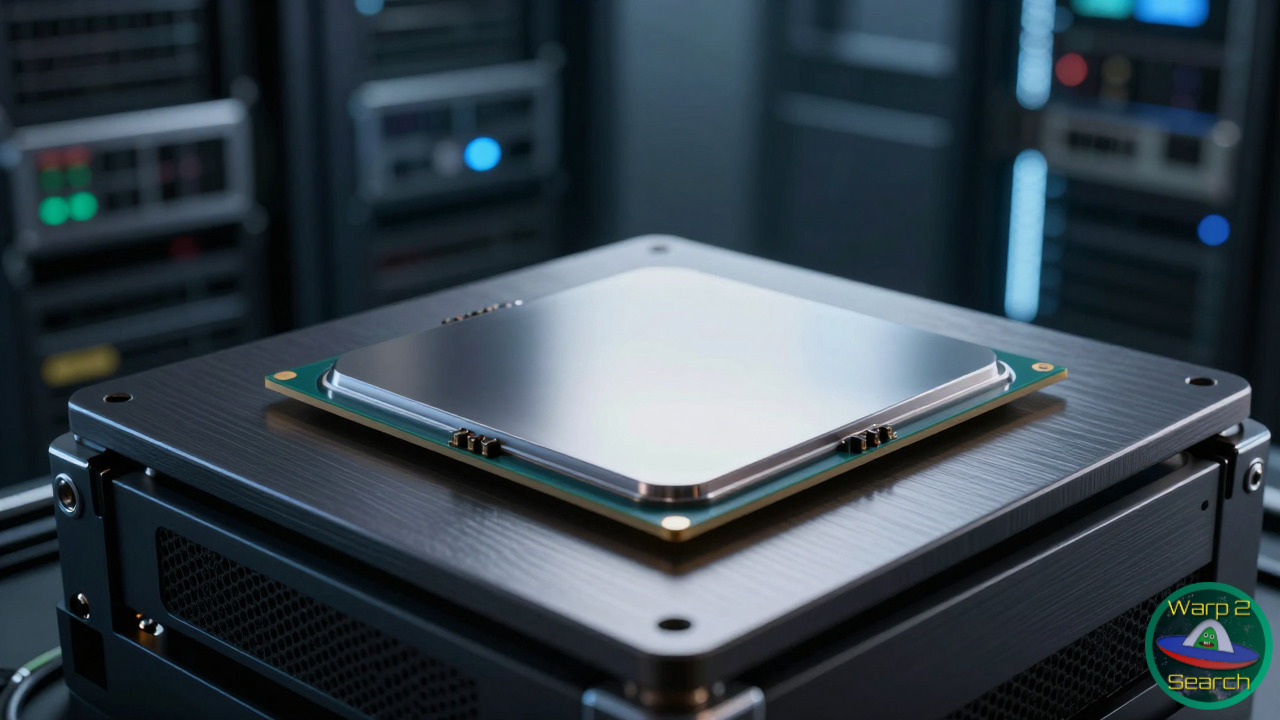
The Server Wave: EPYC "Venice" and 2nm Realities
First up is the sixth-generation EPYC line, codenamed Venice. AMD is claiming a 30 percent jump in thread density and a performance and efficiency boost that tops 70 percent over prior generations. All of that runs on TSMC’s flagship 2nm (N2) process node. This marks the first time a CPU has actually tapped that specific fab node in a production chip. Early stress test results from March showed Venice engineering samples topping 192 cores on OpenBenchmark.org. That’s 32 cores per chiplet.
TSMC has been racing to stabilize yields on its 2nm node since late 2025. Early volume shipments showed mixed results across the chip foundry sector, forcing partners to adjust timeline expectations. AMD, however, is doubling down on the architecture first. If you’re running an AI datacenter, the company is positioning Venice as the direct rival to Nvidia’s upcoming Vera CPU. They claim a 3.3x rack-level performance lead. That’s a bold number to throw out before mass shipping.
The architecture pairs with AMD Instinct MI455 GPUs and fifth-generation Infinity Fabric pushing 224 GB/s of bandwidth. It’s all built for Helios rack-scale servers. Enterprise buyers have been waiting for this. Memory and storage supply pressures have delayed consumer parts, so server focus makes sense for now.
Desktop Ryzen: Olympic Ridge Gets a Historic Layout Shift
Keep in mind that the Ryzen 10000 desktop lineup isn’t landing in 2026. Leakers HXL and Benchlife both point to a CES 2027 arrival. The delay stems from industry-wide manufacturing constraints and Intel’s own push for datacenter capacity. You’ll be sticking with the AM5 socket, though. No motherboard swap required. The real headline here is the chiplet design. AMD is breaking its traditional eight-core limit and shipping 12-core CCDs for the first time.
The rumored desktop SKUs span seven configurations. Single-chiplet options run six, eight, 10, or 12 cores. Dual-chiplet parts hit 16, 20, or 24 cores. The flagship non-X3D model would pack 24 cores and a massive 96 MB of L3 cache. That’s a meaningful jump in raw multi-core territory without resorting to 3D V-Cache. Intel’s Nova Lake is tracking for the same CES 2027 window. It counters with 52 cores, 288 MB of bLLC, and a new LGA1954 socket. The AM5 advantage might actually matter for upgrades.
Mobile APUs are moving ahead. "Medusa Point" hit Geekbench v6 with a 10-core (4 to 6) configuration. Scores of 3,174 single-core and 15,092 multi-core put it roughly 22 percent ahead of the Strix Point flagship in single-threaded work. The multi-core gain sits around 13 percent. It’s a solid generational bump.
AMD is already looking past Zen 6. Confirmed at the November 2025 Financial Analyst Day, Zen 7 will debut a "New Matrix Engine" on a "Future Node," likely a 2nm-class derivative like N2p or N3p. First EPYC "Verano" chips are expected around 2027 to 2028. The roadmap is stretching out, but the direction is clear.
The July 22 to 23 event is the next major checkpoint. AMD will likely drop more architecture details, specific EPYC SKUs, and Helios deployment timelines. Keep an eye on the stream for the full specs. You can find the official event page and registration details on AMD’s developer portal. If you’re waiting for desktop Ryzen, CES 2027 is the realistic target. Head here to track the latest CPU roadmaps and benchmarks.
