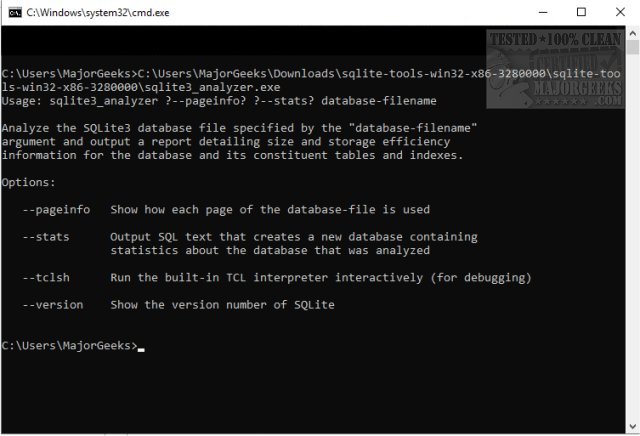
SQLite has recently released version 3.53.3, which introduces a simplified command-line option for managing SQLite databases, alongside a graphical user interface (GUI) version for ease of use. SQLite is an in-process library that serves as a serverless, self-contained, zero-configuration SQL database engine, making it unique compared to other SQL databases that require separate server processes. It allows for direct reading and writing to standard disk files, encapsulating all database functionalities—including tables, indices, triggers, and views—within a single file.
One of SQLite's key advantages is its portability; the database file format is cross-platform compatible, allowing seamless movement between different architectures. This feature has led to its endorsement by institutions such as the US Library of Congress as a preferred storage format. SQLite is designed to be lightweight, with the library size often under 600 KB, and it offers a balance between memory usage and performance, often outperforming direct filesystem operations in certain scenarios.
The reliability of SQLite is bolstered by extensive testing protocols, with millions of test cases executed to ensure robustness and ACID compliance, even during unexpected interruptions like system crashes. This commitment to quality is further highlighted by SQLite's transparency regarding bugs and issues, providing users with detailed documentation on bugs and code changes.
In conclusion, SQLite stands out as a practical solution for many applications needing an efficient, reliable, and easy-to-use SQL database engine. Its recent updates and ongoing commitment to quality position it as an attractive option for developers and users alike, whether for small-scale projects or larger applications requiring dependable database solutions. As SQLite continues to evolve, its focus on testing and user-friendly features will likely keep it at the forefront of embedded database technology
One of SQLite's key advantages is its portability; the database file format is cross-platform compatible, allowing seamless movement between different architectures. This feature has led to its endorsement by institutions such as the US Library of Congress as a preferred storage format. SQLite is designed to be lightweight, with the library size often under 600 KB, and it offers a balance between memory usage and performance, often outperforming direct filesystem operations in certain scenarios.
The reliability of SQLite is bolstered by extensive testing protocols, with millions of test cases executed to ensure robustness and ACID compliance, even during unexpected interruptions like system crashes. This commitment to quality is further highlighted by SQLite's transparency regarding bugs and issues, providing users with detailed documentation on bugs and code changes.
In conclusion, SQLite stands out as a practical solution for many applications needing an efficient, reliable, and easy-to-use SQL database engine. Its recent updates and ongoing commitment to quality position it as an attractive option for developers and users alike, whether for small-scale projects or larger applications requiring dependable database solutions. As SQLite continues to evolve, its focus on testing and user-friendly features will likely keep it at the forefront of embedded database technology
SQLite 3.53.3 released
SQLite enables a simplified command-line option for working with SQLite databases. GUI version is also available.