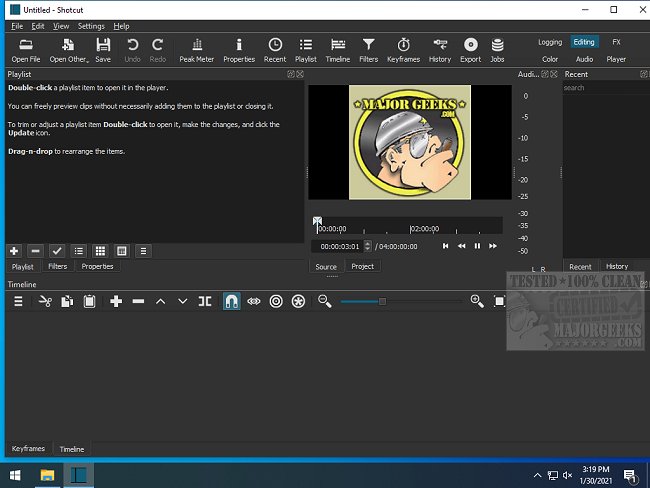
Shotcut, an open-source and cross-platform video editor, has recently released version 26.9.27. This powerful tool is designed to convert and edit video files across a multitude of formats without any hidden fees or watermarks, making it an attractive option for users seeking a robust editing solution.
Why Choose Shotcut?
Shotcut distinguishes itself from many commercial editors by focusing on editing functionality rather than flashy features. Its integration with FFmpeg allows for compatibility with a wide array of formats, from standard MP4s to high-resolution 4K footage. The intuitive drag-and-drop timeline streamlines the editing process, enabling users to efficiently cut, edit, and refine their videos.
The software provides essential video editing tools, including filters, transitions, keyframe animations, and chroma key functionality for green screen effects. Audio editing is also well-supported, featuring equalization, compression, and real-time audio scopes. Furthermore, Shotcut takes advantage of GPU acceleration, offering smoother previews and faster exports, particularly beneficial for large 4K projects.
Practical Applications of Shotcut
Whether you're compiling cherished family memories from a birthday party or creating vlogs, tutorials, or gaming highlight reels, Shotcut offers the tools needed to enhance your videos. Users can add transitions, overlay text, incorporate background music, and utilize slow-motion effects for dramatic moments. The platform is suitable for both casual users and those looking to produce professional-quality content.
Key Features of Shotcut:
- Multi-Format Timeline: Seamlessly mix different resolutions and frame rates within a single project.
- Screen, Webcam & Audio Capture: Available for Linux users, allowing recordings from various sources.
- Network Stream Playback: Supports playback from multiple streaming protocols.
- Audio-Video Sync and Deinterlacing: Ensures high-quality audio and video synchronization.
- Comprehensive Media Management: Features a detailed properties panel and user-friendly drag-and-drop support.
- MLT XML Integration: Facilitates saving and editing of MLT XML files.
- Customizable User Interface: Offers flexible dockable panels for a tailored workspace.
- Encoding & Transcoding: Supports various formats and codecs through FFmpeg/libav.
- Capture & Streaming: Enables recording from multiple sources and streaming over IP.
Pros and Cons
Pros:
- Completely free and open-source, with no hidden costs or watermarks.
- Extensive support for video and audio formats.
- Advanced features like keyframes, chroma keying, and GPU acceleration.
- Cross-platform compatibility (Windows, Mac, Linux).
Cons:
- The user interface may feel outdated compared to premium alternatives.
- Beginners may face a steeper learning curve.
- The interface can become unresponsive if items are moved excessively.
- Lacks a built-in asset library, requiring users to source music and sound effects externally.
Conclusion
Shotcut is an excellent choice for those who desire a powerful video editing tool without the constraints of licensing fees. While it may take some time to master its features and interface quirks, it offers significant editing capabilities that can compete with many paid options. Whether for personal projects or budding content creators, Shotcut empowers users to unleash their creativity without limitations. Its latest release continues to enhance its functionality, making it a noteworthy option in the realm of video editing software.
Similar Resources:
- How to Edit Your Videos With the Microsoft Photo App
- How to Convert Audio or Video Using VLC Media Player
In summary, Shotcut remains a valuable asset for video editing enthusiasts and professionals alike, continuously evolving to meet user needs and preferences
Why Choose Shotcut?
Shotcut distinguishes itself from many commercial editors by focusing on editing functionality rather than flashy features. Its integration with FFmpeg allows for compatibility with a wide array of formats, from standard MP4s to high-resolution 4K footage. The intuitive drag-and-drop timeline streamlines the editing process, enabling users to efficiently cut, edit, and refine their videos.
The software provides essential video editing tools, including filters, transitions, keyframe animations, and chroma key functionality for green screen effects. Audio editing is also well-supported, featuring equalization, compression, and real-time audio scopes. Furthermore, Shotcut takes advantage of GPU acceleration, offering smoother previews and faster exports, particularly beneficial for large 4K projects.
Practical Applications of Shotcut
Whether you're compiling cherished family memories from a birthday party or creating vlogs, tutorials, or gaming highlight reels, Shotcut offers the tools needed to enhance your videos. Users can add transitions, overlay text, incorporate background music, and utilize slow-motion effects for dramatic moments. The platform is suitable for both casual users and those looking to produce professional-quality content.
Key Features of Shotcut:
- Multi-Format Timeline: Seamlessly mix different resolutions and frame rates within a single project.
- Screen, Webcam & Audio Capture: Available for Linux users, allowing recordings from various sources.
- Network Stream Playback: Supports playback from multiple streaming protocols.
- Audio-Video Sync and Deinterlacing: Ensures high-quality audio and video synchronization.
- Comprehensive Media Management: Features a detailed properties panel and user-friendly drag-and-drop support.
- MLT XML Integration: Facilitates saving and editing of MLT XML files.
- Customizable User Interface: Offers flexible dockable panels for a tailored workspace.
- Encoding & Transcoding: Supports various formats and codecs through FFmpeg/libav.
- Capture & Streaming: Enables recording from multiple sources and streaming over IP.
Pros and Cons
Pros:
- Completely free and open-source, with no hidden costs or watermarks.
- Extensive support for video and audio formats.
- Advanced features like keyframes, chroma keying, and GPU acceleration.
- Cross-platform compatibility (Windows, Mac, Linux).
Cons:
- The user interface may feel outdated compared to premium alternatives.
- Beginners may face a steeper learning curve.
- The interface can become unresponsive if items are moved excessively.
- Lacks a built-in asset library, requiring users to source music and sound effects externally.
Conclusion
Shotcut is an excellent choice for those who desire a powerful video editing tool without the constraints of licensing fees. While it may take some time to master its features and interface quirks, it offers significant editing capabilities that can compete with many paid options. Whether for personal projects or budding content creators, Shotcut empowers users to unleash their creativity without limitations. Its latest release continues to enhance its functionality, making it a noteworthy option in the realm of video editing software.
Similar Resources:
- How to Edit Your Videos With the Microsoft Photo App
- How to Convert Audio or Video Using VLC Media Player
In summary, Shotcut remains a valuable asset for video editing enthusiasts and professionals alike, continuously evolving to meet user needs and preferences
Shotcut 26.9.27 released
Shotcut is an Open Source, cross-platform video editor capable of converting and editing video files in various formats.