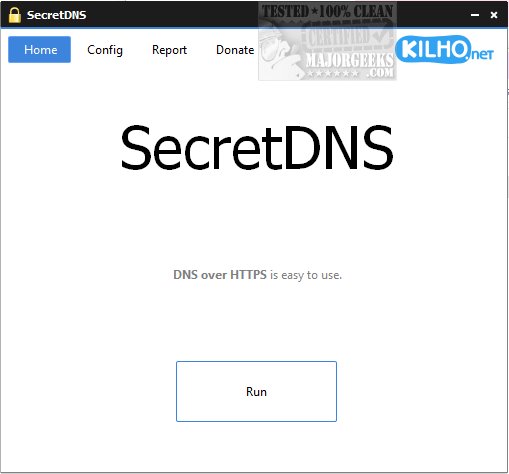
SecretDNS has released version 3.9.3, an advanced tool designed for secure remote Domain Name Server (DNS) resolution. By utilizing the HTTPS protocol, SecretDNS encrypts data exchanged between clients and DNS resolvers, enhancing user privacy and security during DNS queries. The primary aim of SecretDNS is to protect sensitive information from unauthorized access and prevent interception or manipulation of DNS data, thus fostering a more secure online environment.
The application defaults to using CloudFlare's DNS settings, known for their robust security features against online threats. Users can customize their DNS configurations through a dedicated tab, allowing for tailored security measures. The implementation of DNS over HTTPS encrypts DNS packets, further safeguarding sensitive data from breaches.
One of the notable features of SecretDNS is its advanced Server Name Indication (SNI) fragmentation, which allows users to create a whitelist of specified domains. This capability enhances control over security and helps reduce potential vulnerabilities related to SNI eavesdropping. Additionally, SecretDNS includes comprehensive reporting features that enable users to generate detailed reports on DNS activities, which can be easily exported for further analysis or sharing.
In brief, SecretDNS not only strengthens security and privacy through its advanced encryption methods but also improves overall network performance by minimizing connectivity issues typically associated with traditional DNS resolution processes. Key features include:
- SNI fragmentation limited to specified domains.
- DNS protected via DNS over HTTPS.
- Capability to bypass SNI eavesdropping.
- Minimization of slowdown through SNI string fragmentation.
- Whitelisting to alleviate access problems.
- Specification of DNS server through packet bypass without altering Windows settings.
- Quick access to information about websites visited.
As the digital landscape continues to evolve, tools like SecretDNS play a crucial role in maintaining user privacy and ensuring robust security against increasing online threats. Users are encouraged to explore the functionalities of SecretDNS to enhance their online experience while protecting their sensitive information
The application defaults to using CloudFlare's DNS settings, known for their robust security features against online threats. Users can customize their DNS configurations through a dedicated tab, allowing for tailored security measures. The implementation of DNS over HTTPS encrypts DNS packets, further safeguarding sensitive data from breaches.
One of the notable features of SecretDNS is its advanced Server Name Indication (SNI) fragmentation, which allows users to create a whitelist of specified domains. This capability enhances control over security and helps reduce potential vulnerabilities related to SNI eavesdropping. Additionally, SecretDNS includes comprehensive reporting features that enable users to generate detailed reports on DNS activities, which can be easily exported for further analysis or sharing.
In brief, SecretDNS not only strengthens security and privacy through its advanced encryption methods but also improves overall network performance by minimizing connectivity issues typically associated with traditional DNS resolution processes. Key features include:
- SNI fragmentation limited to specified domains.
- DNS protected via DNS over HTTPS.
- Capability to bypass SNI eavesdropping.
- Minimization of slowdown through SNI string fragmentation.
- Whitelisting to alleviate access problems.
- Specification of DNS server through packet bypass without altering Windows settings.
- Quick access to information about websites visited.
As the digital landscape continues to evolve, tools like SecretDNS play a crucial role in maintaining user privacy and ensuring robust security against increasing online threats. Users are encouraged to explore the functionalities of SecretDNS to enhance their online experience while protecting their sensitive information
SecretDNS 3.9.3 released
SecretDNS enables remote Domain Name Server (DNS) resolution. It uses the HTTPS protocol to encrypt the data sent between the client and the DNS resolver, ensuring a secure and private connection for DNS queries.