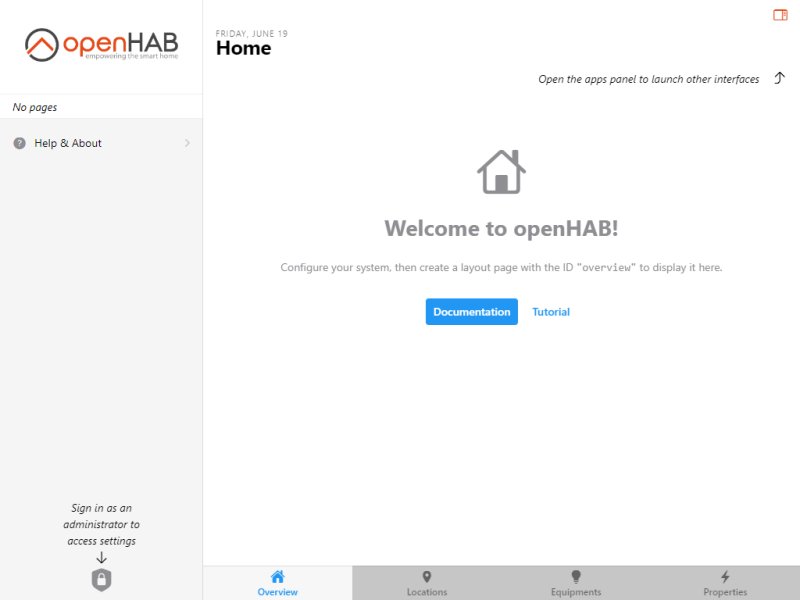
openHAB 5.3.0 M2 has been released, marking a significant update to the open-source home automation platform. openHAB, which stands for Open Home Automation Bus, is designed to unify and control a multitude of smart devices and gadgets, offering users centralized control over their home automation systems. This platform is particularly appealing to both casual users and tech enthusiasts who value flexibility, privacy, and the ability to tinker with their smart home setups.
One of the key features of openHAB is its ability to automate tasks, allowing users to set schedules for various devices—whether it’s dimming lights, watering the lawn, or brewing coffee. Users can start with basic smart devices, such as smart plugs, bulbs (like Philips Hue), and sensors, and gradually expand their automated systems. The platform supports a wide array of devices and brands, including Zigbee and Z-Wave products, smart thermostats like Nest or Ecobee, and even security devices like Ring cameras.
openHAB is privacy-focused and runs locally on your computer or server, whether it be Windows, macOS, Linux, or a Raspberry Pi, thereby ensuring that your data remains within your home. It supports over 300 bindings, which are modular plugins that enable integration with various devices and services, making it a highly customizable solution. Setting up openHAB may require some technical know-how, particularly knowledge of Java and an understanding of network protocols, but it offers extensive documentation to assist users.
To install openHAB, users need to download the software, unzip it, and follow specific steps based on their operating system. Once installed, users can access the dashboard and begin adding bindings to connect their devices. The openHAB community offers valuable resources, including forums and tutorials, to help users navigate the installation and setup processes.
However, while openHAB presents a powerful platform for home automation, it does require a steeper learning curve compared to many plug-and-play solutions. For those who are willing to invest the time and effort, openHAB can transform a home into a sophisticated, scalable smart system tailored to individual preferences.
In conclusion, openHAB 5.3.0 M2 is a robust solution for anyone looking to dive into home automation while maintaining privacy and control over their devices. Its flexible architecture and extensive support for different protocols make it suitable for both beginners and advanced users eager to customize their smart home experience. With ongoing community support and regular updates, openHAB continues to be a leader in the open-source home automation space
One of the key features of openHAB is its ability to automate tasks, allowing users to set schedules for various devices—whether it’s dimming lights, watering the lawn, or brewing coffee. Users can start with basic smart devices, such as smart plugs, bulbs (like Philips Hue), and sensors, and gradually expand their automated systems. The platform supports a wide array of devices and brands, including Zigbee and Z-Wave products, smart thermostats like Nest or Ecobee, and even security devices like Ring cameras.
openHAB is privacy-focused and runs locally on your computer or server, whether it be Windows, macOS, Linux, or a Raspberry Pi, thereby ensuring that your data remains within your home. It supports over 300 bindings, which are modular plugins that enable integration with various devices and services, making it a highly customizable solution. Setting up openHAB may require some technical know-how, particularly knowledge of Java and an understanding of network protocols, but it offers extensive documentation to assist users.
To install openHAB, users need to download the software, unzip it, and follow specific steps based on their operating system. Once installed, users can access the dashboard and begin adding bindings to connect their devices. The openHAB community offers valuable resources, including forums and tutorials, to help users navigate the installation and setup processes.
However, while openHAB presents a powerful platform for home automation, it does require a steeper learning curve compared to many plug-and-play solutions. For those who are willing to invest the time and effort, openHAB can transform a home into a sophisticated, scalable smart system tailored to individual preferences.
In conclusion, openHAB 5.3.0 M2 is a robust solution for anyone looking to dive into home automation while maintaining privacy and control over their devices. Its flexible architecture and extensive support for different protocols make it suitable for both beginners and advanced users eager to customize their smart home experience. With ongoing community support and regular updates, openHAB continues to be a leader in the open-source home automation space
openHAB 5.3.0 M2 released
openHAB is an Open-Source home automation platform that lets you unify and control various smart devices and gadgets.