openHAB (Open Home Automation Bus) is an open-source platform designed for home automation, allowing users to integrate and control a variety of smart devices and gadgets from a single interface. It provides a flexible and privacy-focused solution that is not locked into any specific ecosystem, making it an attractive option for both casual users and tech-savvy enthusiasts.
What is openHAB?
openHAB serves as a centralized hub for managing smart devices, enabling users to automate tasks such as dimming lights, scheduling lawn watering, and managing coffee machines. To use openHAB, users need a computer or server (like a PC, laptop, or Raspberry Pi) and a Java installation, along with compatible smart devices. The platform supports a wide array of devices, including smart plugs, bulbs (like Philips Hue), sensors (such as Aeotec Multi-Sensors), and thermostats (like Nest or Ecobee), allowing users to start small and gradually expand their home automation systems.
Versatility and Privacy:
One of the key strengths of openHAB is its local installation and emphasis on privacy. Unlike many cloud-based smart home systems, openHAB operates offline, keeping user data within the home. While it can connect to cloud apps, it ensures that data and usage are locally managed, enhancing privacy.
The platform is cross-compatible with various operating systems, including Windows, macOS, and Linux, as well as lightweight devices like Raspberry Pi. With over 300 supported bindings for different devices and services, openHAB offers a customizable experience that allows advanced automation tailored to individual needs.
Setting Up openHAB:
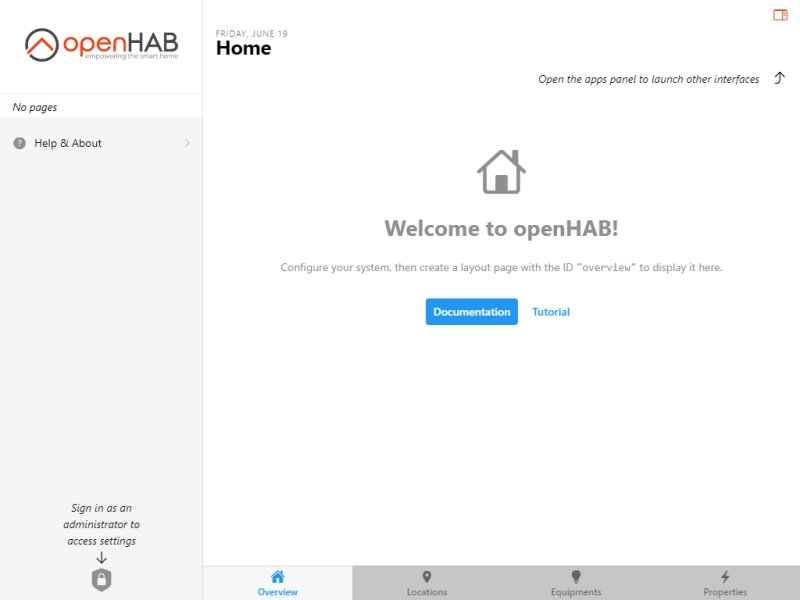
The installation process for openHAB varies by operating system, but generally involves downloading the software, placing it in the desired directory, and executing a startup script. Users can then access the openHAB dashboard via a web browser to configure their devices. The platform supports numerous protocols (Zigbee, Z-Wave, MQTT, etc.), enabling seamless integration with a diverse range of smart devices.
Plugins and Bindings:
openHAB uses modular plugins, referred to as bindings, to extend its functionality. Each binding serves as a connection between openHAB and specific devices or ecosystems, allowing for efficient control and monitoring. For instance, a binding for Philips Hue enables direct control of Hue lights through the Hue Bridge.
Conclusion:
openHAB stands out as a powerful solution for smart home automation, particularly for users who value privacy, flexibility, and extensive control over their smart devices. With a community-driven approach and rich resources for support, openHAB is a compelling choice for those willing to invest some time and technical skill into setting up a personalized home automation system. Despite its steeper learning curve compared to off-the-shelf solutions, the potential for creating a scalable and customized smart home experience makes openHAB a worthwhile endeavor for tech enthusiasts and privacy-conscious users alike.
Future Developments:
As openHAB continues to evolve, users can expect regular updates and enhancements to its features and capabilities, including better integration with emerging smart technologies and improved user interfaces. The active community around openHAB also ensures ongoing support and resources for troubleshooting and innovation, making it an exciting platform to follow in the realm of home automation
What is openHAB?
openHAB serves as a centralized hub for managing smart devices, enabling users to automate tasks such as dimming lights, scheduling lawn watering, and managing coffee machines. To use openHAB, users need a computer or server (like a PC, laptop, or Raspberry Pi) and a Java installation, along with compatible smart devices. The platform supports a wide array of devices, including smart plugs, bulbs (like Philips Hue), sensors (such as Aeotec Multi-Sensors), and thermostats (like Nest or Ecobee), allowing users to start small and gradually expand their home automation systems.
Versatility and Privacy:
One of the key strengths of openHAB is its local installation and emphasis on privacy. Unlike many cloud-based smart home systems, openHAB operates offline, keeping user data within the home. While it can connect to cloud apps, it ensures that data and usage are locally managed, enhancing privacy.
The platform is cross-compatible with various operating systems, including Windows, macOS, and Linux, as well as lightweight devices like Raspberry Pi. With over 300 supported bindings for different devices and services, openHAB offers a customizable experience that allows advanced automation tailored to individual needs.
Setting Up openHAB:
The installation process for openHAB varies by operating system, but generally involves downloading the software, placing it in the desired directory, and executing a startup script. Users can then access the openHAB dashboard via a web browser to configure their devices. The platform supports numerous protocols (Zigbee, Z-Wave, MQTT, etc.), enabling seamless integration with a diverse range of smart devices.
Plugins and Bindings:
openHAB uses modular plugins, referred to as bindings, to extend its functionality. Each binding serves as a connection between openHAB and specific devices or ecosystems, allowing for efficient control and monitoring. For instance, a binding for Philips Hue enables direct control of Hue lights through the Hue Bridge.
Conclusion:
openHAB stands out as a powerful solution for smart home automation, particularly for users who value privacy, flexibility, and extensive control over their smart devices. With a community-driven approach and rich resources for support, openHAB is a compelling choice for those willing to invest some time and technical skill into setting up a personalized home automation system. Despite its steeper learning curve compared to off-the-shelf solutions, the potential for creating a scalable and customized smart home experience makes openHAB a worthwhile endeavor for tech enthusiasts and privacy-conscious users alike.
Future Developments:
As openHAB continues to evolve, users can expect regular updates and enhancements to its features and capabilities, including better integration with emerging smart technologies and improved user interfaces. The active community around openHAB also ensures ongoing support and resources for troubleshooting and innovation, making it an exciting platform to follow in the realm of home automation
openHAB 5.2.0 M6 released
openHAB is an Open-Source home automation platform that lets you unify and control various smart devices and gadgets.