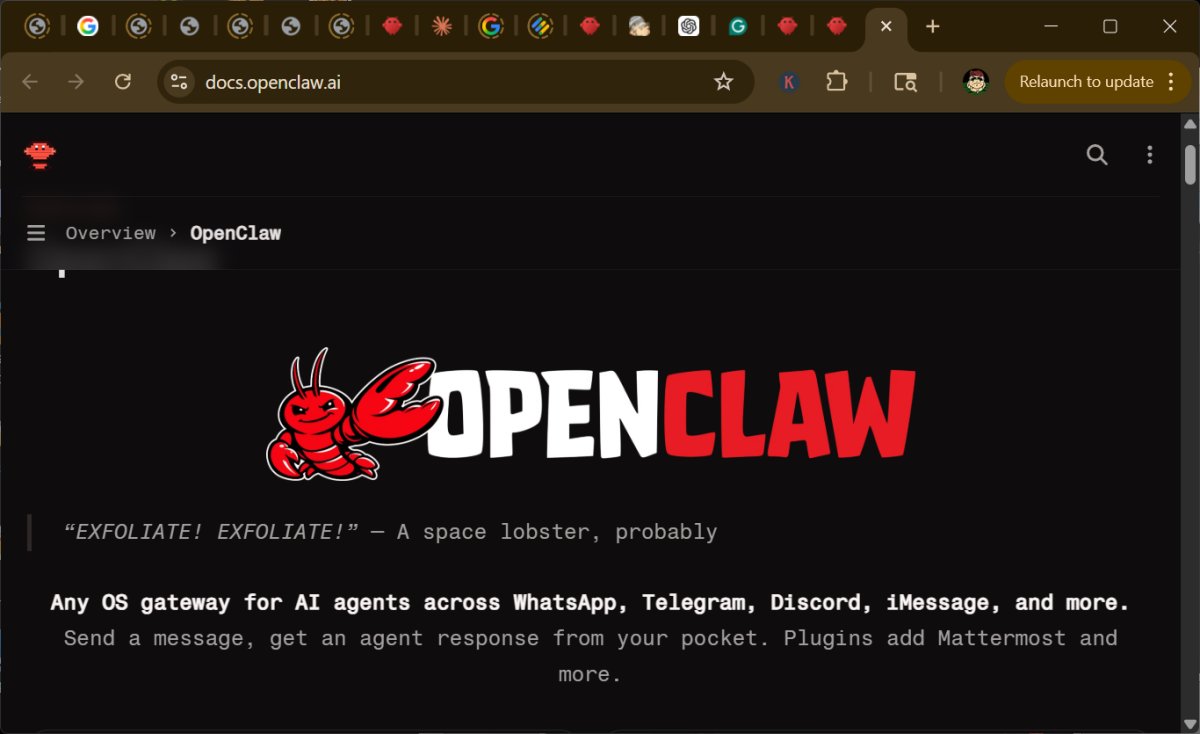
OpenClaw 2026.6.11 has been released, marking a significant advancement in self-hosted personal AI assistants. Unlike traditional cloud-based AI solutions, OpenClaw operates directly on your PC, server, or homelab, offering enhanced control over your data and automations. It integrates seamlessly with popular chat applications such as WhatsApp, Telegram, Slack, Discord, and iMessage, allowing users to interact with their AI assistant within familiar platforms. This setup is appealing for those who prioritize privacy and data security, though it requires more technical know-how compared to typical hosted services.
OpenClaw serves as an intermediary between chat applications and AI agents on your hardware, facilitating tasks like managing emails, setting reminders, tracking packages, and automating repetitive online activities. It boasts potential for home users by simplifying everyday tasks and for businesses by streamlining workflows, reducing administrative burdens, and maintaining data control. However, businesses should ensure that they have someone with technical expertise to set up and manage the assistant effectively.
The primary draw for users is the ability to maintain control over their data and the flexibility of having a single assistant across multiple platforms. OpenClaw excels in automation, enabling users to integrate various tools such as Notion, Trello, and GitHub, which enhances task prioritization and follow-ups.
Before using OpenClaw, users need to have Node.js installed, with recommendations for specific versions. The installation process is not user-friendly, requiring command-line interactions and some familiarity with technical setups, particularly for Windows users who may benefit from the OpenClaw Install Helper script that simplifies the process.
OpenClaw's extensive features allow for various integrations and skills, but users must exercise caution with third-party plugins due to security risks. The application can be vulnerable if not set up correctly; improper permissions or risky skills could lead to security breaches. Users are advised to start with limited access and gradually expand as they gain confidence in the system's security.
Despite its impressive capabilities, OpenClaw is not suited for casual users who seek a hassle-free experience. It is designed for developers and tech-savvy individuals who are comfortable managing their infrastructure. Security remains a critical concern, as users must actively monitor their setup to prevent unauthorized access and potential malware threats.
In summary, OpenClaw has the potential to revolutionize personal and business productivity by providing a powerful, self-hosted AI assistant. Its flexibility and integration capabilities are impressive, but the complexity of setup and the necessity for heightened security awareness may deter less technical users. For those willing to navigate these challenges, OpenClaw could indeed enhance productivity and provide a unique AI experience. As the platform evolves, addressing security concerns and simplifying the installation process may broaden its appeal to a wider audience
OpenClaw serves as an intermediary between chat applications and AI agents on your hardware, facilitating tasks like managing emails, setting reminders, tracking packages, and automating repetitive online activities. It boasts potential for home users by simplifying everyday tasks and for businesses by streamlining workflows, reducing administrative burdens, and maintaining data control. However, businesses should ensure that they have someone with technical expertise to set up and manage the assistant effectively.
The primary draw for users is the ability to maintain control over their data and the flexibility of having a single assistant across multiple platforms. OpenClaw excels in automation, enabling users to integrate various tools such as Notion, Trello, and GitHub, which enhances task prioritization and follow-ups.
Before using OpenClaw, users need to have Node.js installed, with recommendations for specific versions. The installation process is not user-friendly, requiring command-line interactions and some familiarity with technical setups, particularly for Windows users who may benefit from the OpenClaw Install Helper script that simplifies the process.
OpenClaw's extensive features allow for various integrations and skills, but users must exercise caution with third-party plugins due to security risks. The application can be vulnerable if not set up correctly; improper permissions or risky skills could lead to security breaches. Users are advised to start with limited access and gradually expand as they gain confidence in the system's security.
Despite its impressive capabilities, OpenClaw is not suited for casual users who seek a hassle-free experience. It is designed for developers and tech-savvy individuals who are comfortable managing their infrastructure. Security remains a critical concern, as users must actively monitor their setup to prevent unauthorized access and potential malware threats.
In summary, OpenClaw has the potential to revolutionize personal and business productivity by providing a powerful, self-hosted AI assistant. Its flexibility and integration capabilities are impressive, but the complexity of setup and the necessity for heightened security awareness may deter less technical users. For those willing to navigate these challenges, OpenClaw could indeed enhance productivity and provide a unique AI experience. As the platform evolves, addressing security concerns and simplifying the installation process may broaden its appeal to a wider audience
OpenClaw 2026.6.11 released
OpenClaw is a self-hosted personal AI assistant that runs on your own PC, server, or homelab, rather than on someone else’s cloud.