
Leaked specifications point to a new Blackwell GPU designed to bridge the pricing gap between the RTX 5080 and RTX 5090, but technical inconsistencies in the memory configuration cast serious doubt on the report. While the RTX 5090 SE remains unconfirmed, a more credible RTX 50 SUPER refresh appears to be on track for a CES 2026 reveal and Q1 2027 launch.
NVIDIA’s Rumored RTX 5090 SE Could Fill the Pricing Gap. Or Maybe It’s Just a Bad Leak.
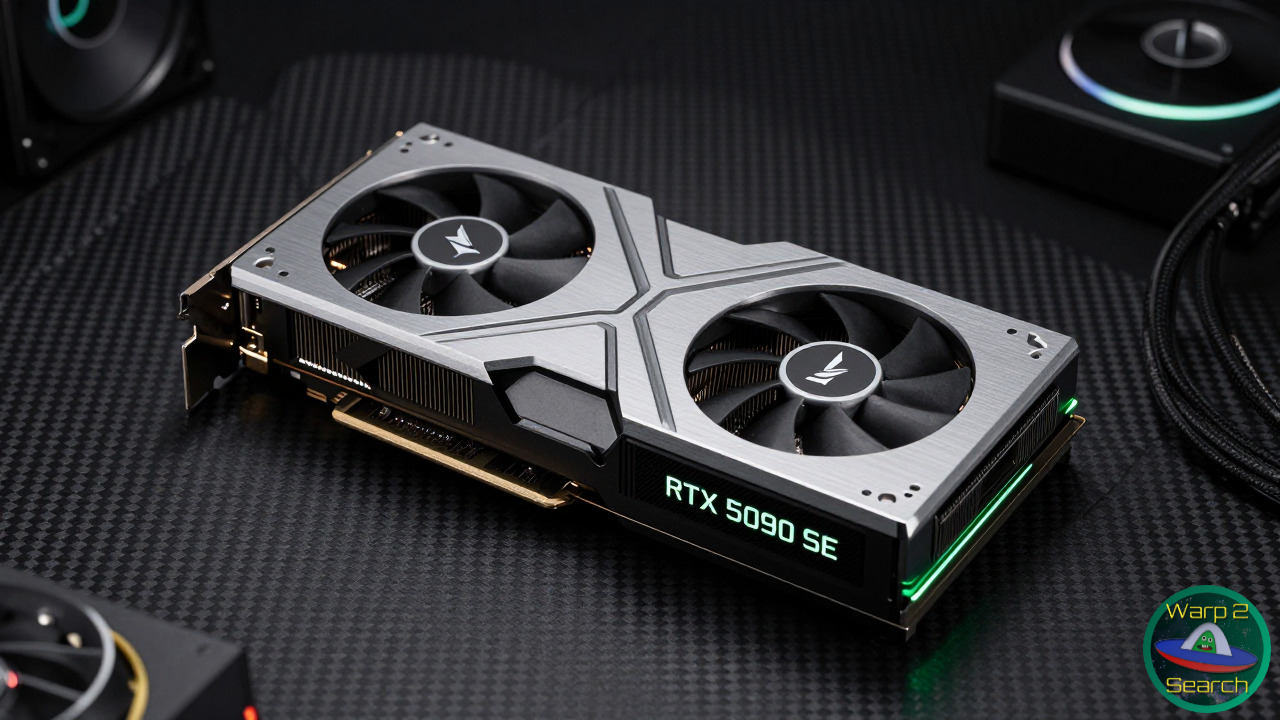
Reports from gamegpu.com on July 9 claim NVIDIA is quietly testing a "Special Edition" Blackwell GPU. If the leaked specs hold any water, this part would sit squarely between the RTX 5080 and the RTX 5090. The catch? Every credible source raising questions about this particular leak is pointing to two glaring issues.
Keep in mind that NVIDIA hasn’t officially spoken to any of this. The rumor mill got spookier when Overclock3D weighed in on July 10, noting that degrading an "xx90" nameplate to a mid-range SKU would be completely unprecedented for the company. Historically, the 90 series always means flagship. Slapping an "SE" tag on it breaks that tradition for no clear reason.
The Math Doesn’t Math
The leaked specification sheet is where things get truly messy. You’re looking at a 32 GB GDDR7 buffer paired with a 384-bit memory interface. That combination physically doesn’t align with how GDDR7 chips are manufactured. Standard 2 GB chips would yield 24 GB on that bus width. Three gigabit chips would push it to 36 GB. To hit exactly 32 GB, NVIDIA would need to mix densities on a single board, a practice they strictly avoid on consumer hardware. It’s either a typo, a misread spreadsheet, or a very deliberate guess.
Next, the die binning strategy for Blackwell has always been about maximizing yield from a single silicon layout. NVIDIA typically disables entire shader clusters or memory controllers rather than playing with chip densities. The leaked 110 SM count and 500 watt TGP actually make sense on paper. You would get roughly 65 percent of the RTX 5090’s CUDA core count. The memory layout, though, just doesn’t work.
If you need more VRAM without jumping to the absolute top tier, the RTX 50 SUPER lineup looks far more credible. Seasonic’s internal PSU calculator dropped listings for the RTX 5070 SUPER, RTX 5070 Ti SUPER, and RTX 5080 SUPER back in early July. Videocardz tracked the data shortly after. Those cards apparently move to 3 GB GDDR7 chips across the board, which would bump VRAM by a meaningful 50 percent without requiring the kind of engineering gymnastics the 5090 SE supposedly needs.
The pricing gap between the current RTX 5080 and RTX 5090 has been painful. It leaves you either settling for fewer cores or stretching your wallet to the absolute peak of Blackwell. The existing 50 series launch has been a rocky ride anyway. We’ve seen 12V-2x6 connector melting reports, incomplete dies shipping out the door, and a whole lot of debate over DLSS 4’s Multi Frame Generation claims. A new SKU would inherit those quirks until drivers stabilize.
The RTX 5090 SE remains firmly in the rumor category right now. The SUPER refresh looks far more credible, with a likely CES 2026 reveal and a Q1 2027 launch window. Keep an eye on Seasonic and the usual hardware leakers. You’ll know it’s real when NVIDIA stops pretending it doesn’t exist.
