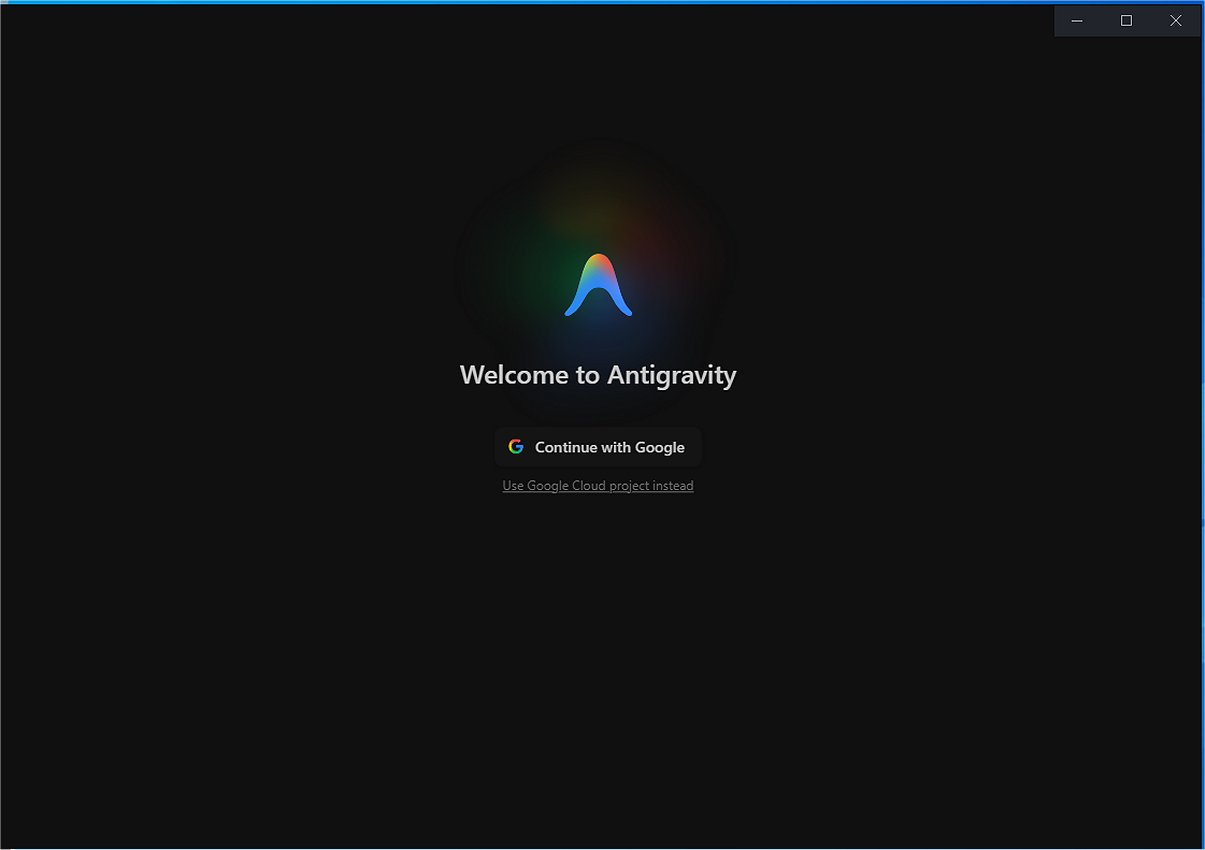
Google has recently released version 2.9.1 of its innovative software development tool, Google Antigravity. This integrated development environment (IDE) leverages artificial intelligence to revolutionize the software creation process by allowing users to direct autonomous AI agents for coding tasks, thus reducing the necessity for manual code writing. The primary goal of Google Antigravity is to enhance efficiency and accessibility in software development.
At its core, Google Antigravity utilizes Google's advanced Gemini AI models, including the latest Gemini 3, to facilitate rapid coding workflows. The platform empowers developers to delegate complex coding tasks to AI agents, freeing them to focus on higher-level design and problem-solving. With its ability to orchestrate multiple AI agents asynchronously, developers can manage various tasks simultaneously, such as code refactoring and running test scripts, optimizing productivity.
Another notable feature of Google Antigravity is its Browser Control & Testing capability, which includes a sandbox browser. This allows AI agents to launch applications and interact with the Document Object Model (DOM) to simulate user actions and test interfaces effectively. Additionally, instead of just executing raw commands, the AI generates concrete outputs, known as Artifacts, which can include implementation plans, walkthroughs, and progress screenshots. This capability enhances transparency and quality assurance in AI-generated work.
Google Antigravity also integrates with various systems through Software Development Kits (SDKs) and supports Model Context Protocol (MCP) servers for advanced model interactions. It features voice-to-text prompting, a Command Line Interface (CLI), and customization options, making it adaptable for both enterprise and personal use.
Pros:
- Agentic Workflows: Manage multiple AI agents for coding, refactoring, and reviewing tasks simultaneously.
- Browser Integration: Built-in tools for testing applications on localhost and identifying code issues.
- Model Switching: Easily switch between different AI models (e.g., Gemini, Claude, Opus) to find the best fit for specific tasks.
- Fast Prototyping: Efficiently create simple web applications or games from scratch.
Cons:
- Heavy Resource Usage: The platform can be resource-intensive, requiring significant computing power.
- Strict Quotas: Users may face limitations in access to certain models once they reach free or premium usage limits.
Verdict: Google Antigravity stands out as a powerful AI-driven development tool that enhances prototyping and multi-agent workflows. While it offers remarkable capabilities, potential users should consider its resource demands and usage restrictions.
Extension: The introduction of Google Antigravity 2.9.1 could signal a new era in software development, where AI not only assists but fundamentally changes how developers approach coding. As AI technologies continue to evolve, the potential for further enhancements in automation and collaborative coding is vast. Future iterations could introduce more sophisticated AI agents with deeper contextual understanding, enabling even more complex coding tasks to be managed autonomously. Additionally, the integration of machine learning could provide predictive coding features, suggesting code snippets and optimizations based on past projects. As these tools become more prevalent, the landscape of software development may shift toward a more collaborative human-AI partnership, fostering innovation and creativity in the tech industry
At its core, Google Antigravity utilizes Google's advanced Gemini AI models, including the latest Gemini 3, to facilitate rapid coding workflows. The platform empowers developers to delegate complex coding tasks to AI agents, freeing them to focus on higher-level design and problem-solving. With its ability to orchestrate multiple AI agents asynchronously, developers can manage various tasks simultaneously, such as code refactoring and running test scripts, optimizing productivity.
Another notable feature of Google Antigravity is its Browser Control & Testing capability, which includes a sandbox browser. This allows AI agents to launch applications and interact with the Document Object Model (DOM) to simulate user actions and test interfaces effectively. Additionally, instead of just executing raw commands, the AI generates concrete outputs, known as Artifacts, which can include implementation plans, walkthroughs, and progress screenshots. This capability enhances transparency and quality assurance in AI-generated work.
Google Antigravity also integrates with various systems through Software Development Kits (SDKs) and supports Model Context Protocol (MCP) servers for advanced model interactions. It features voice-to-text prompting, a Command Line Interface (CLI), and customization options, making it adaptable for both enterprise and personal use.
Pros:
- Agentic Workflows: Manage multiple AI agents for coding, refactoring, and reviewing tasks simultaneously.
- Browser Integration: Built-in tools for testing applications on localhost and identifying code issues.
- Model Switching: Easily switch between different AI models (e.g., Gemini, Claude, Opus) to find the best fit for specific tasks.
- Fast Prototyping: Efficiently create simple web applications or games from scratch.
Cons:
- Heavy Resource Usage: The platform can be resource-intensive, requiring significant computing power.
- Strict Quotas: Users may face limitations in access to certain models once they reach free or premium usage limits.
Verdict: Google Antigravity stands out as a powerful AI-driven development tool that enhances prototyping and multi-agent workflows. While it offers remarkable capabilities, potential users should consider its resource demands and usage restrictions.
Extension: The introduction of Google Antigravity 2.9.1 could signal a new era in software development, where AI not only assists but fundamentally changes how developers approach coding. As AI technologies continue to evolve, the potential for further enhancements in automation and collaborative coding is vast. Future iterations could introduce more sophisticated AI agents with deeper contextual understanding, enabling even more complex coding tasks to be managed autonomously. Additionally, the integration of machine learning could provide predictive coding features, suggesting code snippets and optimizations based on past projects. As these tools become more prevalent, the landscape of software development may shift toward a more collaborative human-AI partnership, fostering innovation and creativity in the tech industry
Google Antigravity 2.9.1 released
Google Antigravity is an innovative software development tool and a cutting-edge integrated development environment (IDE). It utilizes artificial intelligence to enable users to create software by directing autonomous AI agents, eliminating the need to write every line of code manually.