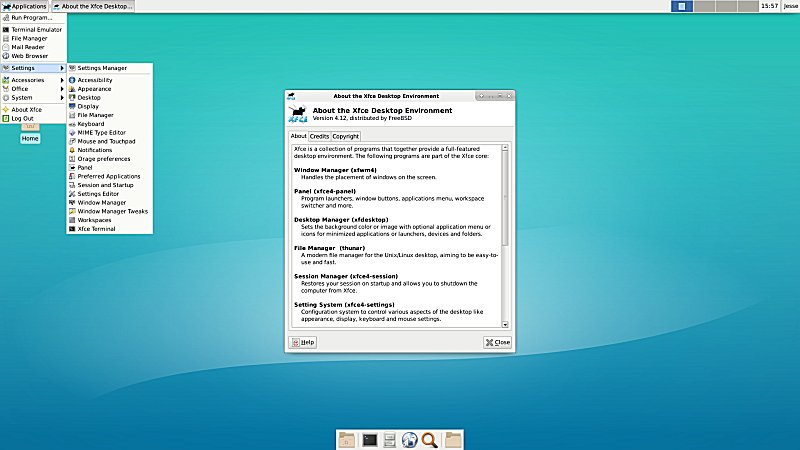
FreeBSD has recently released versions 15.1, 14.4, 13.4, and 12.4, showcasing its ongoing commitment to providing a robust operating system for a variety of platforms, including servers, desktops, and embedded systems. As a derivative of the BSD UNIX developed at the University of California, Berkeley, FreeBSD is recognized for its emphasis on speed, stability, and advanced features.
The operating system is backed by a vibrant community that continuously develops and maintains it, ensuring that it remains at the forefront of technology. FreeBSD is particularly noted for its impressive networking capabilities, performance, and security measures, which often surpass those found in other operating systems, including many commercial alternatives. This makes it a preferred choice for Internet and Intranet servers, where it can handle heavy loads while efficiently managing memory to support thousands of simultaneous users.
With a vast library of over 33,000 ported applications and libraries, FreeBSD caters to a wide range of use cases, from desktop environments to server applications and embedded systems. Users can easily install FreeBSD from various media options, such as CD-ROM, DVD, or directly via network protocols like FTP or NFS. The availability of multiple builds ensures that it can be tailored to meet specific needs.
Overall, FreeBSD stands out as a powerful operating system that combines advanced functionality with a rich ecosystem, making it suitable for both individual users and organizations seeking reliable solutions for their computing needs.
In addition to its current features, future updates may focus on enhancing virtualization capabilities, improving hardware support, and refining user interfaces to attract new users. As technology continues to advance, FreeBSD is likely to evolve, maintaining its relevance in a competitive landscape. Furthermore, the community-driven development model may lead to innovative features and optimizations that benefit a wider audience, potentially expanding its user base beyond traditional sectors
The operating system is backed by a vibrant community that continuously develops and maintains it, ensuring that it remains at the forefront of technology. FreeBSD is particularly noted for its impressive networking capabilities, performance, and security measures, which often surpass those found in other operating systems, including many commercial alternatives. This makes it a preferred choice for Internet and Intranet servers, where it can handle heavy loads while efficiently managing memory to support thousands of simultaneous users.
With a vast library of over 33,000 ported applications and libraries, FreeBSD caters to a wide range of use cases, from desktop environments to server applications and embedded systems. Users can easily install FreeBSD from various media options, such as CD-ROM, DVD, or directly via network protocols like FTP or NFS. The availability of multiple builds ensures that it can be tailored to meet specific needs.
Overall, FreeBSD stands out as a powerful operating system that combines advanced functionality with a rich ecosystem, making it suitable for both individual users and organizations seeking reliable solutions for their computing needs.
In addition to its current features, future updates may focus on enhancing virtualization capabilities, improving hardware support, and refining user interfaces to attract new users. As technology continues to advance, FreeBSD is likely to evolve, maintaining its relevance in a competitive landscape. Furthermore, the community-driven development model may lead to innovative features and optimizations that benefit a wider audience, potentially expanding its user base beyond traditional sectors
FreeBSD 15.1 / 14.4 / 13.4 / 12.4 released
FreeBSD is an operating system used to power modern servers, desktops, and embedded platforms.