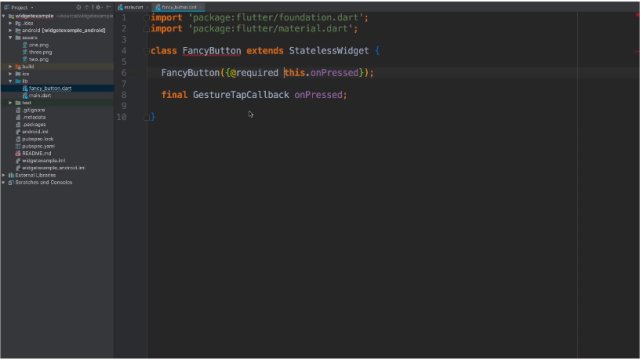
Flutter has recently released version 3.44.4, enhancing its capabilities for developers to create visually appealing native applications for both iOS and Android platforms using a single codebase. One of the standout features of Flutter is its fast development cycle, facilitated by the hot reload functionality. This allows developers to make changes and see the results in real-time, significantly speeding up the process of experimenting with user interfaces, adding new features, and debugging issues without losing the current application state—whether working on emulators, simulators, or real devices.
In addition to rapid development, Flutter offers a rich set of built-in widgets that adhere to Material Design and Cupertino styles, providing expressive and aesthetically pleasing user interfaces. The platform also includes advanced motion APIs to enhance user experience with smooth and natural scrolling, along with a keen awareness of platform-specific design elements.
Moreover, Flutter ensures that the applications deliver native performance by incorporating essential platform differences, such as scrolling behavior, navigation patterns, icons, and fonts. This guarantees that the apps feel and perform like true native applications on both iOS and Android devices.
Moving forward, developers can expect continued improvements in performance, new widgets, and features that further simplify the app development process. With the growing community and extensive documentation, Flutter remains an attractive option for both seasoned developers and newcomers looking to create cross-platform mobile applications efficiently.
Additionally, there is a feature allowing users to embed a YouTube video within their applications, enhancing interactivity and content engagement. When a user clicks on the designated area, an iframe is dynamically created to display the video, allowing for seamless integration of multimedia elements into Flutter apps
In addition to rapid development, Flutter offers a rich set of built-in widgets that adhere to Material Design and Cupertino styles, providing expressive and aesthetically pleasing user interfaces. The platform also includes advanced motion APIs to enhance user experience with smooth and natural scrolling, along with a keen awareness of platform-specific design elements.
Moreover, Flutter ensures that the applications deliver native performance by incorporating essential platform differences, such as scrolling behavior, navigation patterns, icons, and fonts. This guarantees that the apps feel and perform like true native applications on both iOS and Android devices.
Moving forward, developers can expect continued improvements in performance, new widgets, and features that further simplify the app development process. With the growing community and extensive documentation, Flutter remains an attractive option for both seasoned developers and newcomers looking to create cross-platform mobile applications efficiently.
Additionally, there is a feature allowing users to embed a YouTube video within their applications, enhancing interactivity and content engagement. When a user clicks on the designated area, an iframe is dynamically created to display the video, allowing for seamless integration of multimedia elements into Flutter apps
Flutter 3.44.4 released
Flutter allows you to build beautiful native apps on iOS and Android from a single codebase.