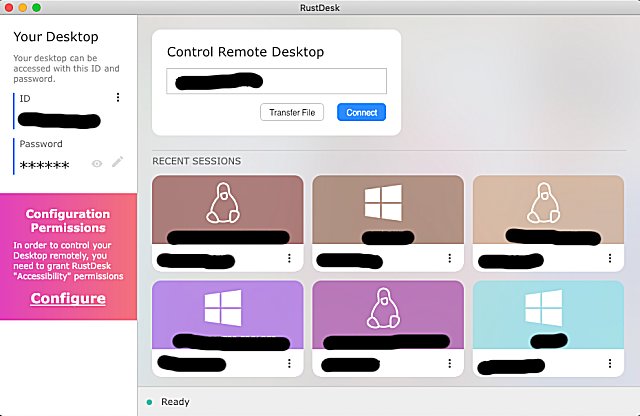
RustDesk 1.5.1 has recently been released, further establishing itself as a robust open-source remote desktop application suitable for self-hosting. Positioned as a competitive alternative to mainstream remote desktop solutions like TeamViewer and AnyDesk, RustDesk enables users to sidestep the constraints of cloud-based services, granting them greater control over their data.
One of the core advantages of RustDesk's self-hosted model is its capacity to minimize the inherent risks associated with Software as a Service (SaaS) platforms. Such platforms often face performance inconsistencies, lack transparency in data handling, and can present security vulnerabilities. In contrast, RustDesk empowers users to maintain ownership of their data, fostering a trustworthy and reliable environment.
Data sovereignty is another essential benefit of using RustDesk, as it simplifies regulatory compliance. By keeping data within local premises, organizations can ensure adherence to relevant laws, protecting their reputation and reducing the risk of potential fines stemming from non-compliance.
Security is a focal point for RustDesk, and its on-premise deployment strategy provides users with the ability to enhance their security posture. This control helps mitigate risks linked to cloud-based services, such as data breaches and vulnerabilities.
Performance and reliability are further strengthened with RustDesk’s self-hosted option, ensuring consistent uptime and optimal performance—crucial for organizations that depend on uninterrupted remote access for their operations.
RustDesk's flexibility is also noteworthy, with over 90 configuration options that enable organizations to customize the application to meet specific needs. Its cross-platform support for Windows, macOS, Linux, and Android ensures that users can access remote services seamlessly across various environments.
To enhance user experience, RustDesk provides a web client that can be hosted on a dedicated server with a custom domain. This feature allows organizations to tailor the client’s appearance with their branding, creating a cohesive user interface.
Additionally, RustDesk simplifies the deployment process with built-in network configuration and server setup tools, thereby saving time and minimizing operational disruptions.
In summary, RustDesk's extensive feature set positions it as a compelling alternative to traditional remote desktop solutions. Its strong emphasis on self-hosting paves the way for enhanced security, performance, and data control—offering users a trifecta of benefits that distinguishes it in the competitive landscape of remote access solutions.
As technology continues to evolve, RustDesk is likely to introduce more enhancements and features, making it an even more valuable tool for organizations seeking reliable and secure remote desktop capabilities. This open-source initiative not only meets current demands but also showcases the potential for future developments in the realm of self-hosted applications
RustDesk 1.5.1 released
RustDesk is an open-source remote desktop application designed for self-hosting, offering a viable alternative to popular solutions like TeamViewer or AnyDesk.