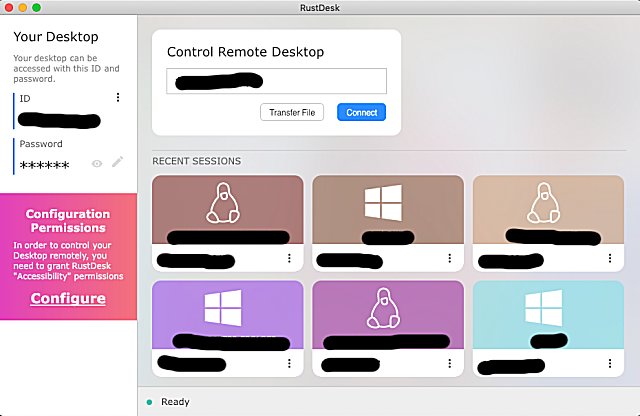
RustDesk has recently released version 1.4.9 of its open-source remote desktop application, which is crafted for self-hosting. This positions RustDesk as a competitive alternative to well-known services like TeamViewer and AnyDesk. The self-hosting feature allows users to evade the constraints characteristic of cloud-based services, thereby gaining enhanced control over their data.
One of the primary advantages of self-hosting RustDesk is the reduction of risks commonly associated with Software as a Service (SaaS) platforms. Users often encounter issues such as performance lags, lack of transparency regarding data management, and potential security vulnerabilities with cloud solutions. RustDesk, on the other hand, promotes data sovereignty, which simplifies adherence to regulations by keeping data within the user's jurisdiction. This not only protects the organizational reputation but also minimizes the risk of facing fines related to non-compliance.
Security is a critical component of RustDesk, as it enables users to implement robust defenses through an on-premise deployment model. By managing RustDesk internally, organizations can effectively shield their data from external threats that are often prevalent in cloud environments. Performance-wise, RustDesk ensures consistent uptime, essential for organizations that depend on remote access for vital operations or service delivery.
Customization is another significant advantage of RustDesk, offering over 90 configuration options that allow organizations to adapt the software to their specific needs. Its versatility extends across various platforms, including Windows, macOS, Linux, and Android, ensuring that users can access remote services regardless of their operating system.
For user convenience, RustDesk features a web client that can be hosted on a personal server with a custom domain, enhancing the remote access experience. This client can be branded with the organization's name, logo, and icon, ensuring a cohesive user experience.
The deployment process is made easier with built-in network configuration and server setup tools, which not only expedite installation but also reduce the risk of disruptions to essential operations.
In conclusion, RustDesk's comprehensive feature set, combined with the benefits of self-hosting, positions it as an appealing alternative to traditional remote desktop solutions like TeamViewer. Users can enjoy heightened security, performance, and data control, making RustDesk a noteworthy player in the realm of remote access technologies.
As the field of remote desktop solutions continues to evolve, RustDesk's commitment to user empowerment and data sovereignty will likely resonate with organizations seeking secure and flexible options for their remote access needs. Future updates may further enhance its capabilities, potentially integrating advanced features such as AI-driven support tools or more comprehensive analytics for user activity and performance metrics
One of the primary advantages of self-hosting RustDesk is the reduction of risks commonly associated with Software as a Service (SaaS) platforms. Users often encounter issues such as performance lags, lack of transparency regarding data management, and potential security vulnerabilities with cloud solutions. RustDesk, on the other hand, promotes data sovereignty, which simplifies adherence to regulations by keeping data within the user's jurisdiction. This not only protects the organizational reputation but also minimizes the risk of facing fines related to non-compliance.
Security is a critical component of RustDesk, as it enables users to implement robust defenses through an on-premise deployment model. By managing RustDesk internally, organizations can effectively shield their data from external threats that are often prevalent in cloud environments. Performance-wise, RustDesk ensures consistent uptime, essential for organizations that depend on remote access for vital operations or service delivery.
Customization is another significant advantage of RustDesk, offering over 90 configuration options that allow organizations to adapt the software to their specific needs. Its versatility extends across various platforms, including Windows, macOS, Linux, and Android, ensuring that users can access remote services regardless of their operating system.
For user convenience, RustDesk features a web client that can be hosted on a personal server with a custom domain, enhancing the remote access experience. This client can be branded with the organization's name, logo, and icon, ensuring a cohesive user experience.
The deployment process is made easier with built-in network configuration and server setup tools, which not only expedite installation but also reduce the risk of disruptions to essential operations.
In conclusion, RustDesk's comprehensive feature set, combined with the benefits of self-hosting, positions it as an appealing alternative to traditional remote desktop solutions like TeamViewer. Users can enjoy heightened security, performance, and data control, making RustDesk a noteworthy player in the realm of remote access technologies.
As the field of remote desktop solutions continues to evolve, RustDesk's commitment to user empowerment and data sovereignty will likely resonate with organizations seeking secure and flexible options for their remote access needs. Future updates may further enhance its capabilities, potentially integrating advanced features such as AI-driven support tools or more comprehensive analytics for user activity and performance metrics
RustDesk 1.4.9 released
RustDesk is an open-source remote desktop application designed for self-hosting, offering a viable alternative to popular solutions like TeamViewer or AnyDesk.