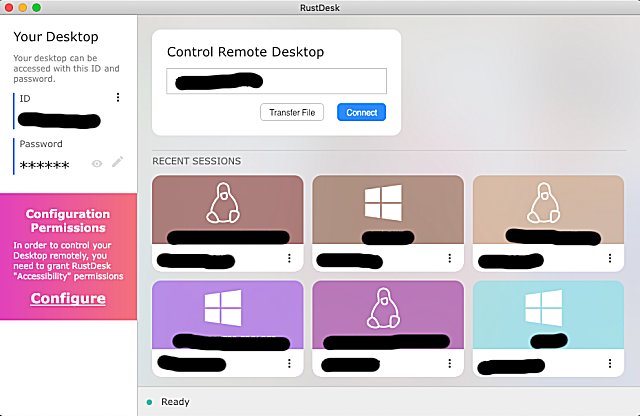
RustDesk has recently released version 1.4.8, solidifying its position as an open-source remote desktop application that allows users to self-host their remote access solutions. This approach offers a compelling alternative to well-known services like TeamViewer and AnyDesk, particularly for those who prioritize data control and security.
Self-hosting with RustDesk enables users to avoid the pitfalls commonly associated with Software as a Service (SaaS) platforms, such as performance issues, opaque data management practices, and potential security vulnerabilities. By managing their own infrastructure, users ensure greater data sovereignty, which is crucial for regulatory compliance and safeguarding their organization's reputation. With RustDesk, data stays within the user's jurisdiction, reducing the risks of facing non-compliance fines.
The application boasts robust security features, allowing organizations to implement an on-premise deployment that shields sensitive data from external threats. This control over data not only enhances security but also guarantees performance consistency, which is vital for businesses that depend on reliable remote access for their operations.
RustDesk's flexibility is another standout feature, offering over 90 configurable options to tailor the application to specific organizational needs. It supports various operating systems, including Windows, macOS, Linux, and Android, making it accessible for users across multiple platforms. The addition of a web client that can be hosted on a custom domain further enhances usability, allowing organizations to brand their remote access experience.
The deployment of RustDesk is simplified by its built-in network configuration and server setup tools, ensuring that organizations can integrate it into their existing systems with minimal disruption.
In conclusion, RustDesk's recent updates and capabilities position it as a formidable competitor in the remote desktop market. By embracing self-hosting, users can enjoy improved security, performance, and data control—benefits that are increasingly important in today's digital landscape. As remote work continues to evolve, solutions like RustDesk offer a promising pathway for organizations seeking to enhance their remote access strategies.
Overall, RustDesk not only meets the needs of its users for secure and customizable remote access but also sets a new standard in the realm of self-hosted solutions. Future updates may further expand its functionalities, ensuring it remains relevant in a rapidly changing technological environment
Self-hosting with RustDesk enables users to avoid the pitfalls commonly associated with Software as a Service (SaaS) platforms, such as performance issues, opaque data management practices, and potential security vulnerabilities. By managing their own infrastructure, users ensure greater data sovereignty, which is crucial for regulatory compliance and safeguarding their organization's reputation. With RustDesk, data stays within the user's jurisdiction, reducing the risks of facing non-compliance fines.
The application boasts robust security features, allowing organizations to implement an on-premise deployment that shields sensitive data from external threats. This control over data not only enhances security but also guarantees performance consistency, which is vital for businesses that depend on reliable remote access for their operations.
RustDesk's flexibility is another standout feature, offering over 90 configurable options to tailor the application to specific organizational needs. It supports various operating systems, including Windows, macOS, Linux, and Android, making it accessible for users across multiple platforms. The addition of a web client that can be hosted on a custom domain further enhances usability, allowing organizations to brand their remote access experience.
The deployment of RustDesk is simplified by its built-in network configuration and server setup tools, ensuring that organizations can integrate it into their existing systems with minimal disruption.
In conclusion, RustDesk's recent updates and capabilities position it as a formidable competitor in the remote desktop market. By embracing self-hosting, users can enjoy improved security, performance, and data control—benefits that are increasingly important in today's digital landscape. As remote work continues to evolve, solutions like RustDesk offer a promising pathway for organizations seeking to enhance their remote access strategies.
Overall, RustDesk not only meets the needs of its users for secure and customizable remote access but also sets a new standard in the realm of self-hosted solutions. Future updates may further expand its functionalities, ensuring it remains relevant in a rapidly changing technological environment
RustDesk 1.4.8 released
RustDesk is an open-source remote desktop application designed for self-hosting, offering a viable alternative to popular solutions like TeamViewer or AnyDesk.