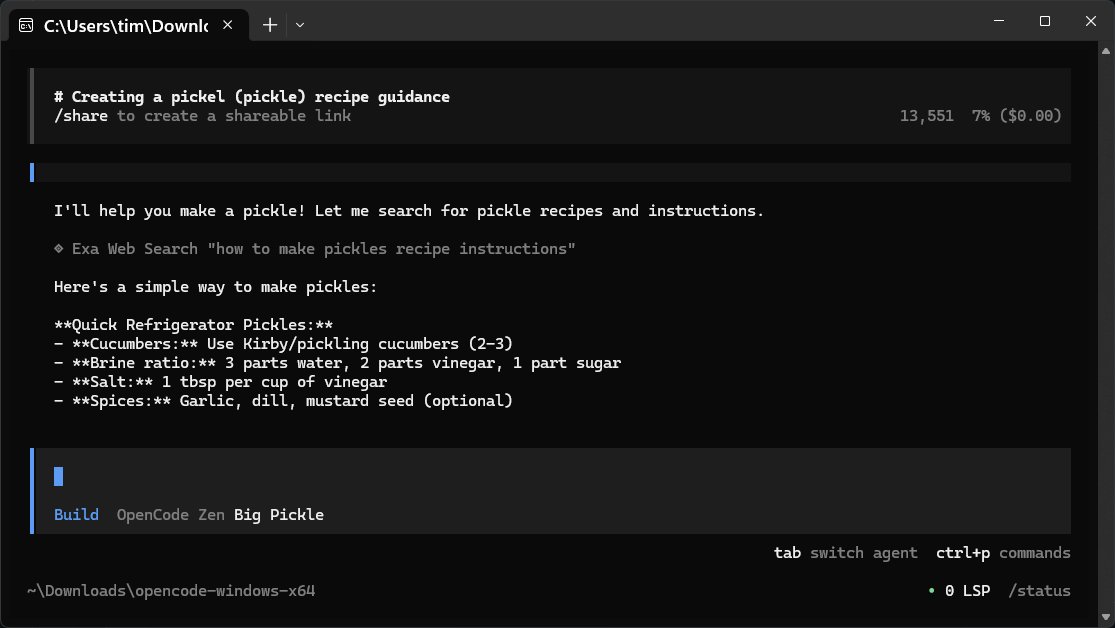
OpenCode 1.4.5 has been released as a free, open-source AI assistant designed to run locally on your computer. It aids developers in writing code, debugging, and understanding files across various programming languages. Unlike many AI tools, OpenCode operates without the need for accounts, cloud syncing, or complex interfaces, making it a straightforward option for coding tasks. It functions as a command-line tool, responding to natural language queries and executing commands on your behalf, all while prioritizing user privacy by keeping data local.
OpenCode is tailored for developers who prefer a lightweight tool without a graphical user interface (GUI). This design choice enhances speed and efficiency, especially for users who are comfortable within terminal environments or integrated development environments (IDEs). Although primarily focused on coding, it can also assist with general inquiries, explanations of concepts, and even provide recipes, relying on web searches for this type of information.
One of OpenCode's most significant advantages is its flexibility. Users can connect with over 75 different language models (LLMs) through APIs, allowing for a customized experience based on specific needs. Setting up these models requires a simple authentication process via the command line. Additionally, it supports integration with local models for those who prefer to keep their data private and secure.
Users are encouraged to treat their API keys securely and utilize OpenCode's export functionality for session management. While it excels in providing a clean and efficient coding assistant, it's worth noting that some may find the lack of a polished GUI or reliance on an internet connection to be drawbacks.
In summary, OpenCode offers a practical solution for developers seeking a powerful, private, and user-friendly coding assistant. Its open-source nature, flexibility in model selection, and ease of use make it a compelling choice for those comfortable with command-line tools. For any issues, users can turn to community forums for support.
Moreover, the ability to switch between different LLMs means developers can tailor their experience based on the task at hand—whether they need a quick answer or a more robust solution for complex coding challenges. This adaptability positions OpenCode as a versatile assistant that can evolve alongside the users' needs.
As the development landscape continues to change, tools like OpenCode may pave the way for more open-source solutions that empower developers while minimizing dependencies on cloud-based services. This trend could lead to a resurgence in the popularity of terminal-based applications, fostering a community of users who value simplicity and efficiency in their workflows
OpenCode is tailored for developers who prefer a lightweight tool without a graphical user interface (GUI). This design choice enhances speed and efficiency, especially for users who are comfortable within terminal environments or integrated development environments (IDEs). Although primarily focused on coding, it can also assist with general inquiries, explanations of concepts, and even provide recipes, relying on web searches for this type of information.
One of OpenCode's most significant advantages is its flexibility. Users can connect with over 75 different language models (LLMs) through APIs, allowing for a customized experience based on specific needs. Setting up these models requires a simple authentication process via the command line. Additionally, it supports integration with local models for those who prefer to keep their data private and secure.
Users are encouraged to treat their API keys securely and utilize OpenCode's export functionality for session management. While it excels in providing a clean and efficient coding assistant, it's worth noting that some may find the lack of a polished GUI or reliance on an internet connection to be drawbacks.
In summary, OpenCode offers a practical solution for developers seeking a powerful, private, and user-friendly coding assistant. Its open-source nature, flexibility in model selection, and ease of use make it a compelling choice for those comfortable with command-line tools. For any issues, users can turn to community forums for support.
Extended Insights:
OpenCode's recent release highlights the growing trend of locally-run AI tools that prioritize user autonomy and data privacy. As the demand for efficient coding solutions increases, tools like OpenCode can significantly enhance productivity without the complexities often associated with commercial AI offerings.Moreover, the ability to switch between different LLMs means developers can tailor their experience based on the task at hand—whether they need a quick answer or a more robust solution for complex coding challenges. This adaptability positions OpenCode as a versatile assistant that can evolve alongside the users' needs.
As the development landscape continues to change, tools like OpenCode may pave the way for more open-source solutions that empower developers while minimizing dependencies on cloud-based services. This trend could lead to a resurgence in the popularity of terminal-based applications, fostering a community of users who value simplicity and efficiency in their workflows
OpenCode 1.4.5 released
OpenCode is a free, Open Source AI assistant that runs on your computer and helps you write code, fix bugs, and understand what your files are doing.