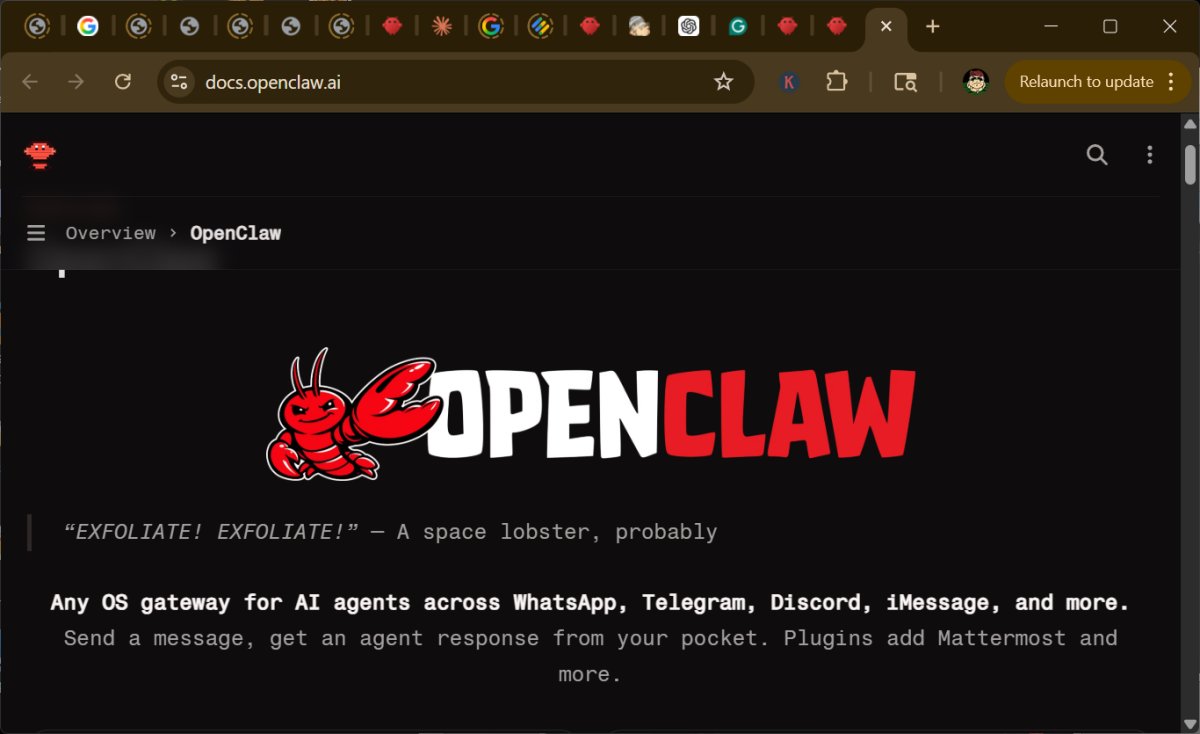
OpenClaw is a self-hosted personal AI assistant designed to operate on personal computers, servers, or homelabs, allowing users to maintain control over their data rather than relying on cloud services. It integrates seamlessly with popular chat applications like WhatsApp, Telegram, Slack, Discord, and iMessage, enabling users to interact with it within the platforms they already use.
Key Features and Advantages
OpenClaw stands out due to its ability to serve as a multifunctional assistant that goes beyond mere conversation. It can manage tasks, maintain sessions, utilize memory, and connect with various productivity tools, such as emails, calendars, and note-taking applications. For home users, this could mean automating everyday tasks like summarizing emails and tracking deliveries, while businesses could leverage its capabilities to streamline operations, automate administrative tasks, and enhance data security.
The appeal lies significantly in the control it offers users over their information, as they run the assistant on their own terms, using their own API keys and infrastructure. This is particularly beneficial for those who frequently switch between different chat platforms, as OpenClaw allows for a unified assistant experience across multiple channels.
Installation and Setup
OpenClaw is tailored for developers and tech-savvy users, requiring Node.js (version 24 recommended) for installation and operation. The installation process involves command-line interactions, which may not be intuitive for casual users. However, there is an OpenClaw Install Helper for Windows that simplifies the setup process, making it more accessible.
Usage and Security Considerations
Once installed, users can customize OpenClaw by connecting various tools and services to enhance its functionality. However, security is a significant concern; users must be cautious about the permissions they grant and the skills they install, as vulnerabilities can lead to data exposure or exploitation by malware. It is advised to start with basic functions and gradually expand capabilities while maintaining strict access controls.
Limitations and Target Audience
OpenClaw is not designed for casual users. Its complexity and the requirement for technical knowledge mean that it is best suited for developers, power users, and individuals who prioritize privacy and customization. The need for careful management of permissions and integrations can be daunting for those unfamiliar with system administration.
Conclusion
OpenClaw presents an intriguing option for users seeking a powerful and flexible AI assistant that respects their privacy and data control. While it offers substantial potential for enhancing productivity, the challenges of setup and security caution against hasty adoption. Those interested in OpenClaw should proceed with care, ensuring they have the necessary technical capabilities to manage and secure their installation effectively.
Future Considerations
As the landscape of self-hosted AI tools evolves, further refinements in security protocols and user-friendliness could make OpenClaw more accessible to a broader audience. Additionally, community-driven improvements and a focus on safety will likely enhance its reputation and usability, paving the way for a more robust assistant solution in the future
Key Features and Advantages
OpenClaw stands out due to its ability to serve as a multifunctional assistant that goes beyond mere conversation. It can manage tasks, maintain sessions, utilize memory, and connect with various productivity tools, such as emails, calendars, and note-taking applications. For home users, this could mean automating everyday tasks like summarizing emails and tracking deliveries, while businesses could leverage its capabilities to streamline operations, automate administrative tasks, and enhance data security.
The appeal lies significantly in the control it offers users over their information, as they run the assistant on their own terms, using their own API keys and infrastructure. This is particularly beneficial for those who frequently switch between different chat platforms, as OpenClaw allows for a unified assistant experience across multiple channels.
Installation and Setup
OpenClaw is tailored for developers and tech-savvy users, requiring Node.js (version 24 recommended) for installation and operation. The installation process involves command-line interactions, which may not be intuitive for casual users. However, there is an OpenClaw Install Helper for Windows that simplifies the setup process, making it more accessible.
Usage and Security Considerations
Once installed, users can customize OpenClaw by connecting various tools and services to enhance its functionality. However, security is a significant concern; users must be cautious about the permissions they grant and the skills they install, as vulnerabilities can lead to data exposure or exploitation by malware. It is advised to start with basic functions and gradually expand capabilities while maintaining strict access controls.
Limitations and Target Audience
OpenClaw is not designed for casual users. Its complexity and the requirement for technical knowledge mean that it is best suited for developers, power users, and individuals who prioritize privacy and customization. The need for careful management of permissions and integrations can be daunting for those unfamiliar with system administration.
Conclusion
OpenClaw presents an intriguing option for users seeking a powerful and flexible AI assistant that respects their privacy and data control. While it offers substantial potential for enhancing productivity, the challenges of setup and security caution against hasty adoption. Those interested in OpenClaw should proceed with care, ensuring they have the necessary technical capabilities to manage and secure their installation effectively.
Future Considerations
As the landscape of self-hosted AI tools evolves, further refinements in security protocols and user-friendliness could make OpenClaw more accessible to a broader audience. Additionally, community-driven improvements and a focus on safety will likely enhance its reputation and usability, paving the way for a more robust assistant solution in the future
OpenClaw 2026.6.8 released
OpenClaw is a self-hosted personal AI assistant that runs on your own PC, server, or homelab, rather than on someone else’s cloud.