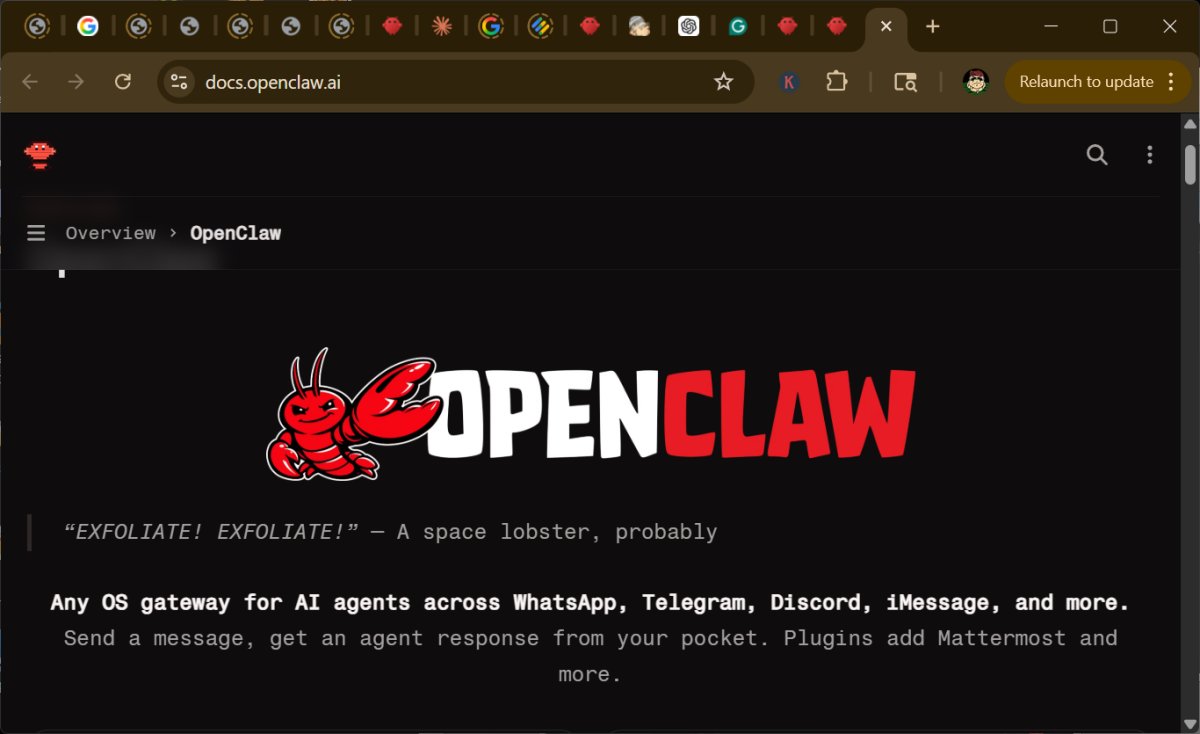
OpenClaw 2026.4.14 has been released as a self-hosted personal AI assistant that operates on your own hardware, whether it's a PC, server, or home lab, rather than relying on cloud services. This platform connects seamlessly with popular chat applications such as WhatsApp, Telegram, Slack, Discord, and iMessage, allowing users to interact with the assistant through interfaces they are already familiar with. The main advantages of OpenClaw include enhanced control over data, tools, and automations compared to standard hosted AI services, without any associated costs beyond the token or API provider fees.
OpenClaw acts as a bridge between chat applications and AI agents on your hardware, enabling functionalities such as task routing, memory usage, and integration with various productivity tools like notes, reminders, and calendars. For home users, it can streamline daily tasks like email summarization, calendar management, and web searches, while for businesses, it can automate administrative tasks and improve data control, making it a valuable asset for enhancing operational efficiency.
However, OpenClaw is not entirely user-friendly; it requires a certain level of technical expertise to set up and manage. It is best suited for developers and power users rather than casual users who may find the installation process daunting. Users must have Node.js installed and may prefer using WSL2 for a smoother experience, particularly on Windows.
While OpenClaw boasts a range of powerful features and supports plugins and skills for expanded functionality, it also raises security concerns. Users need to be vigilant regarding access permissions, potential vulnerabilities in plugins, and the management of sensitive data, as the platform's self-hosted nature does not inherently guarantee safety. Users are encouraged to adopt a cautious approach, starting with low-risk tasks before gradually expanding the assistant's capabilities.
In summary, OpenClaw presents an intriguing opportunity for those seeking a customizable AI assistant with privacy and control. It’s ideal for developers and tech-savvy users looking for a powerful productivity tool. However, its complexity and security risks necessitate careful consideration, making it more suitable for those willing to invest time in understanding and managing the platform effectively. As the technology matures, it could become more accessible and secure, potentially transforming the landscape of personal AI assistance
OpenClaw acts as a bridge between chat applications and AI agents on your hardware, enabling functionalities such as task routing, memory usage, and integration with various productivity tools like notes, reminders, and calendars. For home users, it can streamline daily tasks like email summarization, calendar management, and web searches, while for businesses, it can automate administrative tasks and improve data control, making it a valuable asset for enhancing operational efficiency.
However, OpenClaw is not entirely user-friendly; it requires a certain level of technical expertise to set up and manage. It is best suited for developers and power users rather than casual users who may find the installation process daunting. Users must have Node.js installed and may prefer using WSL2 for a smoother experience, particularly on Windows.
While OpenClaw boasts a range of powerful features and supports plugins and skills for expanded functionality, it also raises security concerns. Users need to be vigilant regarding access permissions, potential vulnerabilities in plugins, and the management of sensitive data, as the platform's self-hosted nature does not inherently guarantee safety. Users are encouraged to adopt a cautious approach, starting with low-risk tasks before gradually expanding the assistant's capabilities.
In summary, OpenClaw presents an intriguing opportunity for those seeking a customizable AI assistant with privacy and control. It’s ideal for developers and tech-savvy users looking for a powerful productivity tool. However, its complexity and security risks necessitate careful consideration, making it more suitable for those willing to invest time in understanding and managing the platform effectively. As the technology matures, it could become more accessible and secure, potentially transforming the landscape of personal AI assistance
OpenClaw 2026.4.14 released
OpenClaw is a self-hosted personal AI assistant that runs on your own PC, server, or homelab, rather than on someone else’s cloud.