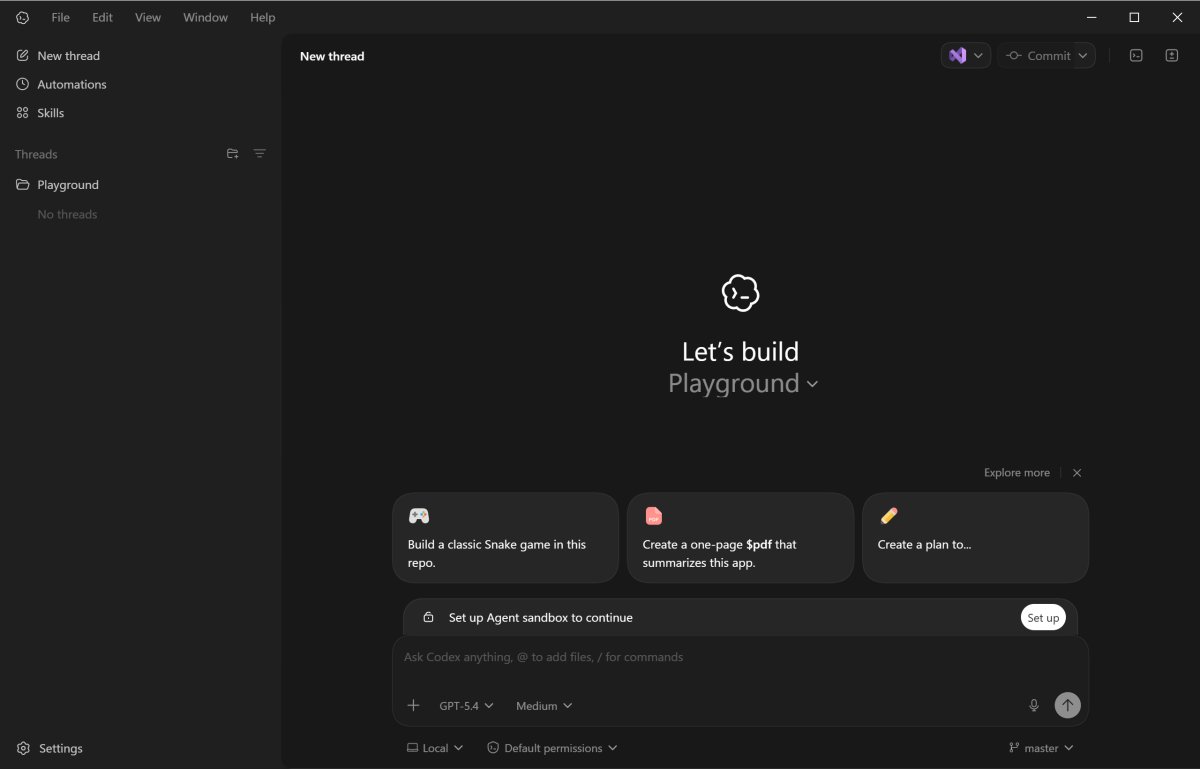
OpenAI Codex 26.630 is a sophisticated AI coding agent designed to assist users in writing, analyzing, and modifying software through natural language instructions. Instead of manually coding every line, users can simply articulate their desired functionality, and Codex will generate the corresponding code, test it, and recommend alterations. It is available as a desktop application compatible with Windows and macOS, and it integrates seamlessly with popular developer tools such as Git and Visual Studio Code. For those who prefer command-line interfaces, an API key allows access to Codex in a CLI format.
The tool is particularly valuable for developers, hobbyists, and anyone looking to experiment with scripts or fix existing code. Codex acts like an intelligent coding partner, capable of managing various tasks simultaneously in isolated cloud environments, ensuring that code testing does not interfere with local systems.
Users can harness Codex for a variety of purposes, including generating scripts, debugging code, and exploring unfamiliar codebases. It can effectively handle smaller utility scripts, making it a convenient option for quickly automating repetitive tasks. However, while Codex is a powerful tool, it does not replace the nuanced understanding and creativity of a human developer, especially for larger projects.
Notable features of OpenAI Codex include natural language coding, support for multiple AI agents working in parallel, sandbox environments for secure testing, Git integration for seamless version control, and a skills system that allows for the automation of workflows. Skills can be particularly useful for automating everyday tasks, such as organizing files in a computer’s Downloads folder.
To get started with Codex, users need an OpenAI account. The program is available for free with a Pro account, or users can purchase tokens. After installation, users can create projects, describe tasks in plain language, and review the generated code before implementing changes. Codex also allows integration with other platforms like Notion and Figma, enhancing its utility in managing notes and project documentation.
Despite its impressive capabilities, Codex does have limitations. The generated code requires careful review and refinement, as it can sometimes produce inefficient logic or misinterpret user requests. For optimal results, detailed and specific instructions are essential. Users have reported mixed success when upgrading or converting existing code, highlighting the need for realistic expectations when using the tool.
In conclusion, OpenAI Codex stands out as a leading AI coding agent, capable of simplifying the coding process and enhancing productivity. Its unique combination of features makes it feel more like a collaborative programming partner than a mere coding assistant. Users are encouraged to engage with the community for support and to explore the full potential of this innovative tool. Moving forward, as AI coding technology continues to evolve, we can anticipate even more sophisticated features and functionalities that may further streamline software development processes
The tool is particularly valuable for developers, hobbyists, and anyone looking to experiment with scripts or fix existing code. Codex acts like an intelligent coding partner, capable of managing various tasks simultaneously in isolated cloud environments, ensuring that code testing does not interfere with local systems.
Users can harness Codex for a variety of purposes, including generating scripts, debugging code, and exploring unfamiliar codebases. It can effectively handle smaller utility scripts, making it a convenient option for quickly automating repetitive tasks. However, while Codex is a powerful tool, it does not replace the nuanced understanding and creativity of a human developer, especially for larger projects.
Notable features of OpenAI Codex include natural language coding, support for multiple AI agents working in parallel, sandbox environments for secure testing, Git integration for seamless version control, and a skills system that allows for the automation of workflows. Skills can be particularly useful for automating everyday tasks, such as organizing files in a computer’s Downloads folder.
To get started with Codex, users need an OpenAI account. The program is available for free with a Pro account, or users can purchase tokens. After installation, users can create projects, describe tasks in plain language, and review the generated code before implementing changes. Codex also allows integration with other platforms like Notion and Figma, enhancing its utility in managing notes and project documentation.
Despite its impressive capabilities, Codex does have limitations. The generated code requires careful review and refinement, as it can sometimes produce inefficient logic or misinterpret user requests. For optimal results, detailed and specific instructions are essential. Users have reported mixed success when upgrading or converting existing code, highlighting the need for realistic expectations when using the tool.
In conclusion, OpenAI Codex stands out as a leading AI coding agent, capable of simplifying the coding process and enhancing productivity. Its unique combination of features makes it feel more like a collaborative programming partner than a mere coding assistant. Users are encouraged to engage with the community for support and to explore the full potential of this innovative tool. Moving forward, as AI coding technology continues to evolve, we can anticipate even more sophisticated features and functionalities that may further streamline software development processes
OpenAI Codex 26.630 released
OpenAI Codex is an AI coding agent that writes, analyzes, and modifies software using natural language instructions.