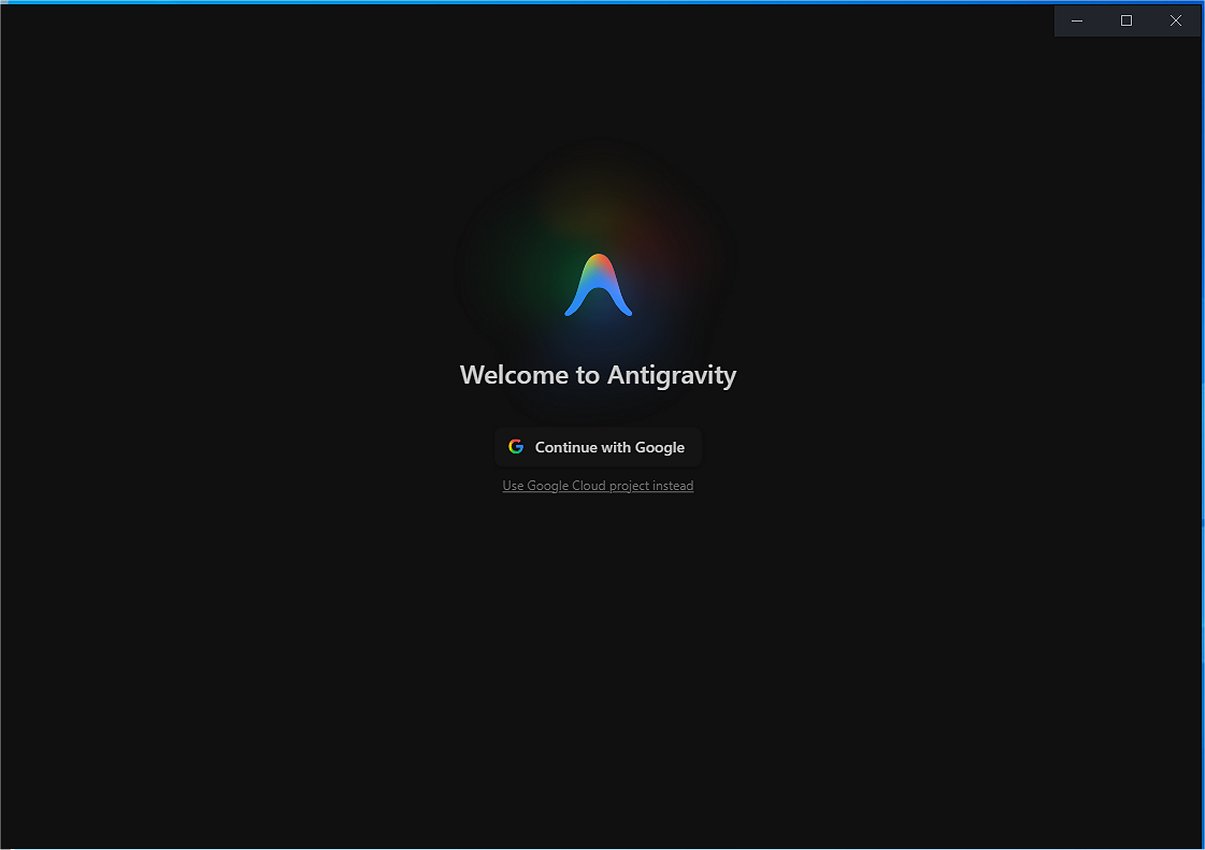
Google Antigravity 2.4.3 has been released, introducing a groundbreaking software development tool and integrated development environment (IDE) that leverages artificial intelligence (AI) to streamline the coding process. By utilizing autonomous AI agents, developers can create software without the need to write every line of code manually, enhancing efficiency and accessibility in software development.
At its core, Google Antigravity transforms traditional coding methods by employing advanced AI-driven workflows, allowing developers to focus on higher-level design and problem-solving. Built on Google's Gemini models, including the latest Gemini 3, the platform supports a multitude of third-party AI models, enabling intricate coding tasks to be delegated to AI agents. This asynchronous orchestration allows multiple agents to operate simultaneously—such as one refactoring code while another runs tests—maximizing productivity.
The platform includes a sandbox browser feature, which empowers AI agents to interact with applications and navigate the Document Object Model (DOM) as if they were users. This capability is crucial for testing interfaces in a controlled environment. Additionally, rather than simply executing commands, the AI generates tangible outputs known as Artifacts, including implementation plans and visual project progressions, which enhance transparency and quality assurance.
Google Antigravity also integrates with various systems and provides Software Development Kits (SDKs). It supports Model Context Protocol servers for advanced interactions, offers voice-to-text prompting, and includes a Command Line Interface (CLI) for customization. This versatility allows developers to tailor the platform for both personal and enterprise-level needs.
Pros and Cons:
*Pros:*
- Agentic Workflows enable simultaneous management of multiple AI agents for coding, refactoring, and reviewing tasks.
- Browser Integration with a built-in tool for testing applications on localhost while mimicking user actions and identifying code issues.
- Model Switching facilitates easy transitions between various AI models, optimizing task performance.
- Fast prototyping capabilities allow rapid development of simple web applications and games.
*Cons:*
- High resource consumption may hinder performance on less powerful machines.
- Strict usage quotas can lock users out of certain models upon reaching limits.
Conclusion:
Google Antigravity represents a significant advancement in AI-powered development tools, offering remarkable benefits for prototyping and multi-agent workflows. However, potential users should be aware of its resource demands and usage limitations. As AI continues to evolve, platforms like Google Antigravity are set to reshape the landscape of software development, making it more efficient and adaptive to the needs of modern developers. Future updates may focus on optimizing resource usage and expanding functionality to cater to an even broader range of development tasks
At its core, Google Antigravity transforms traditional coding methods by employing advanced AI-driven workflows, allowing developers to focus on higher-level design and problem-solving. Built on Google's Gemini models, including the latest Gemini 3, the platform supports a multitude of third-party AI models, enabling intricate coding tasks to be delegated to AI agents. This asynchronous orchestration allows multiple agents to operate simultaneously—such as one refactoring code while another runs tests—maximizing productivity.
The platform includes a sandbox browser feature, which empowers AI agents to interact with applications and navigate the Document Object Model (DOM) as if they were users. This capability is crucial for testing interfaces in a controlled environment. Additionally, rather than simply executing commands, the AI generates tangible outputs known as Artifacts, including implementation plans and visual project progressions, which enhance transparency and quality assurance.
Google Antigravity also integrates with various systems and provides Software Development Kits (SDKs). It supports Model Context Protocol servers for advanced interactions, offers voice-to-text prompting, and includes a Command Line Interface (CLI) for customization. This versatility allows developers to tailor the platform for both personal and enterprise-level needs.
Pros and Cons:
*Pros:*
- Agentic Workflows enable simultaneous management of multiple AI agents for coding, refactoring, and reviewing tasks.
- Browser Integration with a built-in tool for testing applications on localhost while mimicking user actions and identifying code issues.
- Model Switching facilitates easy transitions between various AI models, optimizing task performance.
- Fast prototyping capabilities allow rapid development of simple web applications and games.
*Cons:*
- High resource consumption may hinder performance on less powerful machines.
- Strict usage quotas can lock users out of certain models upon reaching limits.
Conclusion:
Google Antigravity represents a significant advancement in AI-powered development tools, offering remarkable benefits for prototyping and multi-agent workflows. However, potential users should be aware of its resource demands and usage limitations. As AI continues to evolve, platforms like Google Antigravity are set to reshape the landscape of software development, making it more efficient and adaptive to the needs of modern developers. Future updates may focus on optimizing resource usage and expanding functionality to cater to an even broader range of development tasks
Google Antigravity 2.4.3 released
Google Antigravity is an innovative software development tool and a cutting-edge integrated development environment (IDE). It utilizes artificial intelligence to enable users to create software by directing autonomous AI agents, eliminating the need to write every line of code manually.