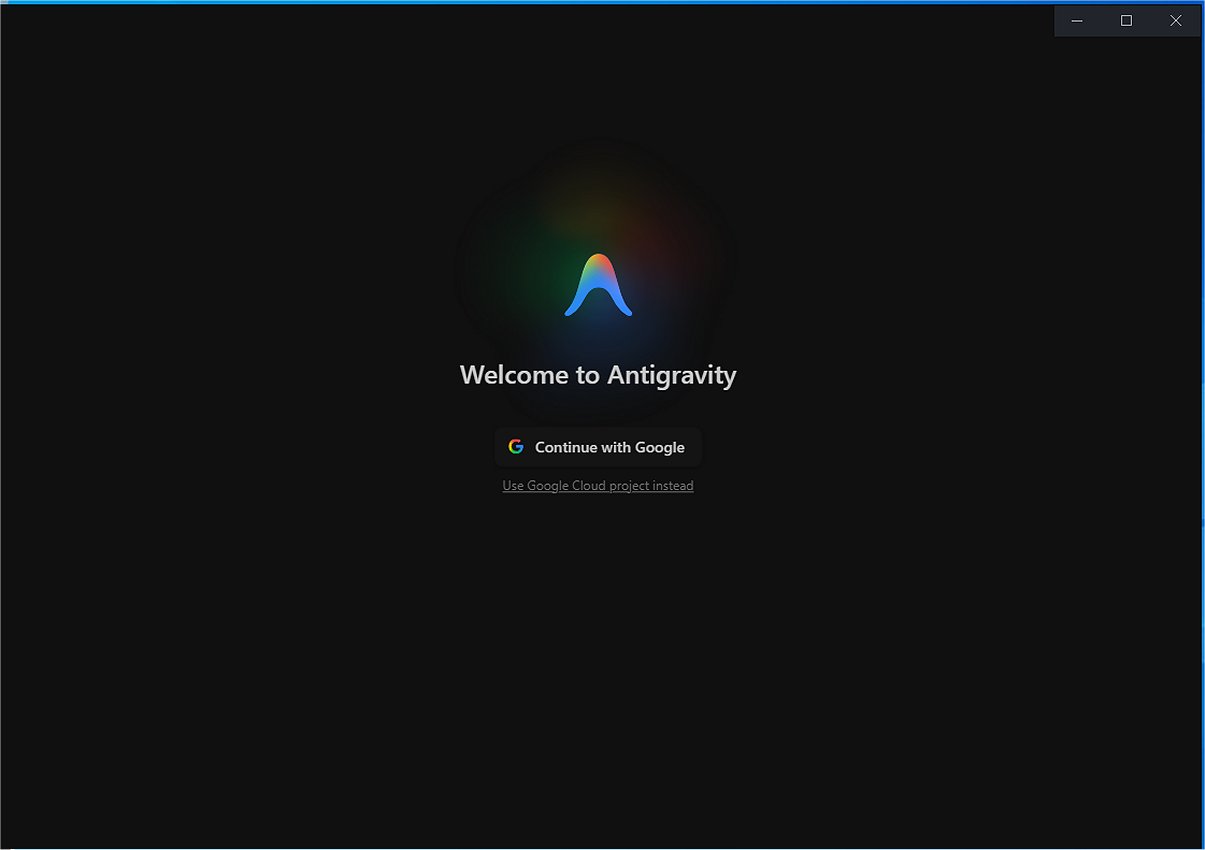
Google Antigravity 2.0 has been launched as an innovative software development tool and integrated development environment (IDE) that leverages artificial intelligence to transform the coding process. By directing autonomous AI agents, developers can create software without the need to manually write every line of code, thus streamlining the development workflow and making it more efficient.
Antigravity aims to revolutionize traditional software development by enabling seamless and rapid coding through AI-driven workflows. Built upon Google's advanced Gemini models, including the latest Gemini 3, the platform enhances coding efficiency while allowing support for various third-party AI models. This flexibility permits developers to assign complex coding tasks to AI agents, allowing them to concentrate on higher-level design and problem-solving.
A significant feature of Google Antigravity is its ability to manage multiple AI agents concurrently, facilitating asynchronous task execution that maximizes productivity. For example, while one agent refactors code, another can run tests in parallel, shifting away from conventional linear task management.
Additionally, Google Antigravity includes Browser Control & Testing capabilities, featuring a sandbox browser that allows AI agents to simulate user interactions in a controlled environment. This enables thorough testing of interfaces, including actions like clicking buttons and entering data.
The AI within Antigravity produces tangible outputs known as Artifacts, which can include implementation plans, detailed walkthroughs, and progress screenshots. This feature enhances transparency, enabling developers to review and verify AI-generated work for quality assurance.
To further support developers, the platform offers system integration, Software Development Kits (SDKs), and a Command Line Interface (CLI). It facilitates advanced model interactions through Model Context Protocol (MCP) servers and provides voice-to-text functionality, allowing for customization in enterprise or personal implementations.
Pros of Google Antigravity include:
- Agentic Workflows for managing multiple AI agents simultaneously.
- Built-in Browser Integration for testing applications and identifying issues.
- Model Switching capability for easily transitioning between AI models for optimal task execution.
- Fast prototyping options for creating simple web apps or games quickly.
However, there are notable cons, such as:
- Heavy resource usage, which may impact performance.
- Strict quotas that may restrict access to certain features or models upon reaching usage limits.
In conclusion, Google Antigravity represents a groundbreaking advancement in software development, particularly for its AI-powered multi-agent workflows. While it offers powerful capabilities for prototyping and development, potential users should consider its significant resource demands and usage limitations. As AI continues to evolve, tools like Google Antigravity are likely to shape the future of software development, fostering creativity and efficiency among developers
Antigravity aims to revolutionize traditional software development by enabling seamless and rapid coding through AI-driven workflows. Built upon Google's advanced Gemini models, including the latest Gemini 3, the platform enhances coding efficiency while allowing support for various third-party AI models. This flexibility permits developers to assign complex coding tasks to AI agents, allowing them to concentrate on higher-level design and problem-solving.
A significant feature of Google Antigravity is its ability to manage multiple AI agents concurrently, facilitating asynchronous task execution that maximizes productivity. For example, while one agent refactors code, another can run tests in parallel, shifting away from conventional linear task management.
Additionally, Google Antigravity includes Browser Control & Testing capabilities, featuring a sandbox browser that allows AI agents to simulate user interactions in a controlled environment. This enables thorough testing of interfaces, including actions like clicking buttons and entering data.
The AI within Antigravity produces tangible outputs known as Artifacts, which can include implementation plans, detailed walkthroughs, and progress screenshots. This feature enhances transparency, enabling developers to review and verify AI-generated work for quality assurance.
To further support developers, the platform offers system integration, Software Development Kits (SDKs), and a Command Line Interface (CLI). It facilitates advanced model interactions through Model Context Protocol (MCP) servers and provides voice-to-text functionality, allowing for customization in enterprise or personal implementations.
Pros of Google Antigravity include:
- Agentic Workflows for managing multiple AI agents simultaneously.
- Built-in Browser Integration for testing applications and identifying issues.
- Model Switching capability for easily transitioning between AI models for optimal task execution.
- Fast prototyping options for creating simple web apps or games quickly.
However, there are notable cons, such as:
- Heavy resource usage, which may impact performance.
- Strict quotas that may restrict access to certain features or models upon reaching usage limits.
In conclusion, Google Antigravity represents a groundbreaking advancement in software development, particularly for its AI-powered multi-agent workflows. While it offers powerful capabilities for prototyping and development, potential users should consider its significant resource demands and usage limitations. As AI continues to evolve, tools like Google Antigravity are likely to shape the future of software development, fostering creativity and efficiency among developers
Google Antigravity 2.0 released
Google Antigravity is an innovative software development tool and a cutting-edge integrated development environment (IDE). It utilizes artificial intelligence to enable users to create software by directing autonomous AI agents, eliminating the need to write every line of code manually.