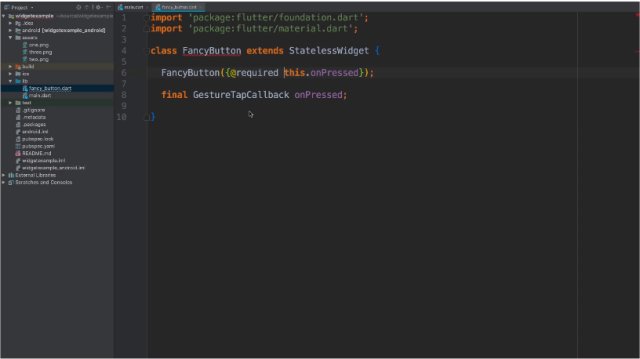
Flutter version 3.41.8 has been released, enhancing the framework that enables developers to create stunning native applications for both iOS and Android using a single codebase. One of the standout features of Flutter is its fast development capabilities, particularly with the hot reload functionality, which allows developers to make changes and see updates in real-time without losing the current application state. This feature significantly speeds up the process of experimenting, building user interfaces, adding new features, and fixing bugs.
In addition to rapid development, Flutter also provides expressive and visually appealing user interfaces through its extensive library of built-in Material Design and Cupertino (iOS-style) widgets. These widgets are designed to create rich animations, smooth scrolling experiences, and platform-aware applications that resonate with the native look and feel of each operating system.
Flutter ensures native performance by incorporating essential platform differences, such as scrolling mechanics, navigation styles, icons, and fonts, enabling developers to deliver a seamless user experience across both iOS and Android devices.
To further engage users, developers can incorporate dynamic content such as videos into their applications. For instance, a simple JavaScript code snippet allows for the integration of a YouTube video that plays automatically upon user interaction. This feature can enhance user engagement and provide valuable content directly within the app.
As Flutter continues to evolve, developers can expect ongoing improvements and features that support the creation of high-quality mobile applications, making it a popular choice for app development in the modern tech landscape
In addition to rapid development, Flutter also provides expressive and visually appealing user interfaces through its extensive library of built-in Material Design and Cupertino (iOS-style) widgets. These widgets are designed to create rich animations, smooth scrolling experiences, and platform-aware applications that resonate with the native look and feel of each operating system.
Flutter ensures native performance by incorporating essential platform differences, such as scrolling mechanics, navigation styles, icons, and fonts, enabling developers to deliver a seamless user experience across both iOS and Android devices.
To further engage users, developers can incorporate dynamic content such as videos into their applications. For instance, a simple JavaScript code snippet allows for the integration of a YouTube video that plays automatically upon user interaction. This feature can enhance user engagement and provide valuable content directly within the app.
As Flutter continues to evolve, developers can expect ongoing improvements and features that support the creation of high-quality mobile applications, making it a popular choice for app development in the modern tech landscape
Flutter 3.41.8 released
Flutter allows you to build beautiful native apps on iOS and Android from a single codebase.