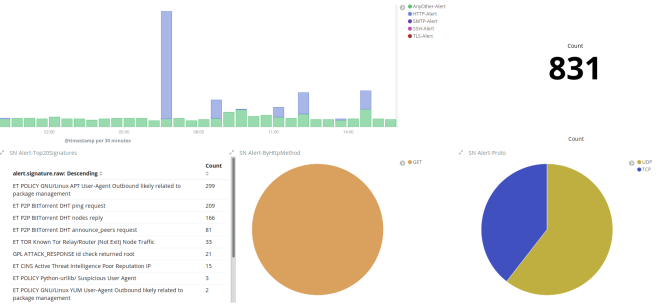
Suricata version 8.0.7 has been released as a powerful network threat detection engine designed for real-time intrusion detection. This tool is specifically tailored for network administrators, security engineers, IT technicians, and advanced users, making it unsuitable for casual PC users. To utilize Suricata, one must first install essential components such as WinPcap and Cygwin, along with several additional packages like w32api, mpfr, pthreads, and more.
Notably, Suricata has been placed in the Networking section of software repositories, which may not be easily noticed, and it has not been heavily promoted on social media or featured as a highlighted pick. For those who are still interested and knowledgeable enough to proceed, it is advisable to bookmark the installation guide.
Once installed, Suricata leverages a comprehensive set of rules and signature languages alongside robust Lua scripting capabilities to identify and mitigate sophisticated threats. It seamlessly integrates with standard output formats such as YAML and JSON and is compatible with various tools, including SIEMs, Splunk, Logstash/Elasticsearch, and Kibana. The development of Suricata is community-driven, with a strong focus on security, usability, and efficiency.
In summary, Suricata is a powerful solution for advanced users who require intrusion protection in their networks, providing extensive capabilities for traffic inspection and threat detection. Its complexity and requirement for technical knowledge mean it is best suited for professionals rather than casual users.
To extend this, it would be beneficial for users to engage with the Suricata community for updates, best practices, and troubleshooting tips. Additionally, exploring the documentation and tutorials available could enhance the user experience and optimize the tool's capabilities, ensuring that network security is maintained effectively. As cybersecurity threats continue to evolve, staying informed about updates and advancements in tools like Suricata will be crucial for maintaining a secure network environment
Suricata 8.0.7 released
Suricata is a robust network threat detection engine capable of real-time intrusion detection.