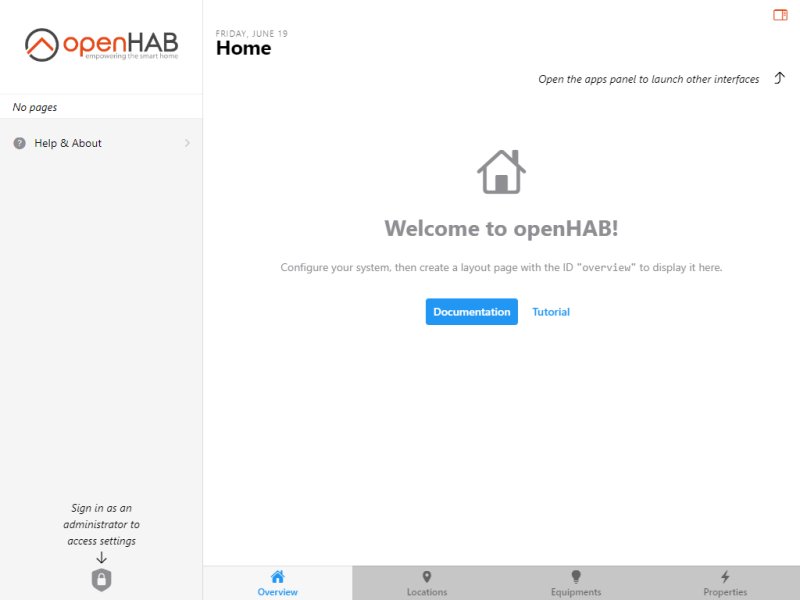
OpenHAB 5.2.1 has been released, enhancing its reputation as an open-source home automation platform that consolidates control over various smart devices and gadgets. This versatile system, known as the Open Home Automation Bus, allows users ranging from casual home users to tech enthusiasts to customize and automate their smart home environments without being confined to specific brands or ecosystems.
The platform facilitates a range of automation scenarios such as dimming lights, watering lawns, brewing coffee, and warming cars, thereby offering users significant flexibility in home management. To get started with openHAB, you need a computer or server (like a PC, laptop, or Raspberry Pi) and a JAVA installation. With compatibility for a vast number of smart devices, including smart plugs, bulbs, thermostats, and cameras, openHAB enables users to build a comprehensive automation system.
One key advantage of openHAB is its emphasis on privacy, as it operates locally without sending data to the cloud. This makes it appealing for users concerned about data security and privacy. It is cross-platform, functioning on Windows, macOS, Linux, and lightweight systems like Raspberry Pi, and supports over 300 bindings for various devices and protocols, such as Zigbee, Z-Wave, and MQTT, allowing for a tailored smart home experience.
Setting up openHAB varies by operating system, with specific instructions for Windows, macOS, Linux, and Raspberry Pi. Users can install bindings to link their devices to the system, enhancing functionality and enabling seamless device control. While openHAB offers extensive customization and control, it does come with a steeper learning curve compared to many standard smart home applications, making it more suitable for those with technical expertise or a willingness to learn.
Overall, openHAB stands out as a robust solution for those who value flexibility, privacy, and the potential for a highly personalized smart home experience. Its active community and wealth of resources provide support for both beginners and advanced users alike, making it a compelling choice in the realm of home automation.
In conclusion, the latest openHAB release not only solidifies its standing as a powerful and privacy-focused automation platform but also invites new users to explore the possibilities of a smart home tailored to their unique preferences and needs. With ongoing developments and community contributions, the future of openHAB looks promising, continuing to evolve as a go-to solution for home automation enthusiasts
The platform facilitates a range of automation scenarios such as dimming lights, watering lawns, brewing coffee, and warming cars, thereby offering users significant flexibility in home management. To get started with openHAB, you need a computer or server (like a PC, laptop, or Raspberry Pi) and a JAVA installation. With compatibility for a vast number of smart devices, including smart plugs, bulbs, thermostats, and cameras, openHAB enables users to build a comprehensive automation system.
One key advantage of openHAB is its emphasis on privacy, as it operates locally without sending data to the cloud. This makes it appealing for users concerned about data security and privacy. It is cross-platform, functioning on Windows, macOS, Linux, and lightweight systems like Raspberry Pi, and supports over 300 bindings for various devices and protocols, such as Zigbee, Z-Wave, and MQTT, allowing for a tailored smart home experience.
Setting up openHAB varies by operating system, with specific instructions for Windows, macOS, Linux, and Raspberry Pi. Users can install bindings to link their devices to the system, enhancing functionality and enabling seamless device control. While openHAB offers extensive customization and control, it does come with a steeper learning curve compared to many standard smart home applications, making it more suitable for those with technical expertise or a willingness to learn.
Overall, openHAB stands out as a robust solution for those who value flexibility, privacy, and the potential for a highly personalized smart home experience. Its active community and wealth of resources provide support for both beginners and advanced users alike, making it a compelling choice in the realm of home automation.
In conclusion, the latest openHAB release not only solidifies its standing as a powerful and privacy-focused automation platform but also invites new users to explore the possibilities of a smart home tailored to their unique preferences and needs. With ongoing developments and community contributions, the future of openHAB looks promising, continuing to evolve as a go-to solution for home automation enthusiasts
openHAB 5.2.1 released
openHAB is an Open-Source home automation platform that lets you unify and control various smart devices and gadgets.