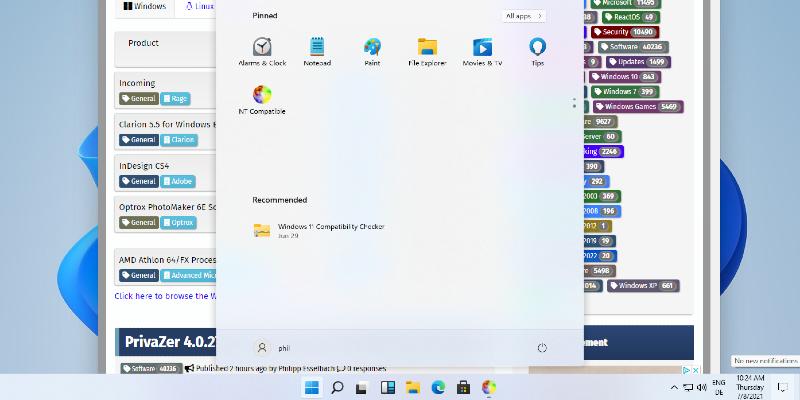
Microsoft released an article detailing the issues associated with Windows 11 update KB5072911 for versions 24H2 and 25H2. The update can cause problems with essential applications like Explorer, the Start menu, and other XAML-based apps, particularly in enterprise environments and virtual desktop infrastructures (VDIs). The issues manifest as applications failing to launch or crashing, especially when users are logging into non-persistent environments or after performing the initial installation of Windows 11.
While most home users may not encounter these problems, IT administrators in larger organizations should be vigilant, as the update primarily affects centrally managed devices. Reports indicate that the issues often arise after the initial installation of Windows or when users log into VDIs, leading to errors with shell components integral to the desktop experience. Symptoms include black screens upon login, unresponsive Start menus, and erratic taskbar behavior.
These glitches appear to stem from registration issues with certain XAML libraries following the update, which disrupts the functionality of dependent applications. Although Microsoft is actively working on a fix, a temporary workaround involves manually registering XAML packages before restarting the SiHost process.
For organizations experiencing these challenges, consulting the official support article for KB5072911 is advisable to understand the issue and potential solutions better.
Extension: As Microsoft continues to address the problem, users and IT departments might also consider implementing more robust monitoring processes for their systems. This could include keeping track of software updates, ensuring that backup systems are in place, and establishing clear communication channels within the organization to report and resolve issues swiftly. Furthermore, organizations may want to explore alternative deployment strategies, such as testing updates in smaller, controlled groups before a full rollout, to minimize disruption and ensure a smoother transition. In the long run, building a more resilient IT infrastructure could help mitigate the impact of similar issues in the future
While most home users may not encounter these problems, IT administrators in larger organizations should be vigilant, as the update primarily affects centrally managed devices. Reports indicate that the issues often arise after the initial installation of Windows or when users log into VDIs, leading to errors with shell components integral to the desktop experience. Symptoms include black screens upon login, unresponsive Start menus, and erratic taskbar behavior.
These glitches appear to stem from registration issues with certain XAML libraries following the update, which disrupts the functionality of dependent applications. Although Microsoft is actively working on a fix, a temporary workaround involves manually registering XAML packages before restarting the SiHost process.
For organizations experiencing these challenges, consulting the official support article for KB5072911 is advisable to understand the issue and potential solutions better.
Extension: As Microsoft continues to address the problem, users and IT departments might also consider implementing more robust monitoring processes for their systems. This could include keeping track of software updates, ensuring that backup systems are in place, and establishing clear communication channels within the organization to report and resolve issues swiftly. Furthermore, organizations may want to explore alternative deployment strategies, such as testing updates in smaller, controlled groups before a full rollout, to minimize disruption and ensure a smoother transition. In the long run, building a more resilient IT infrastructure could help mitigate the impact of similar issues in the future
Windows 11 KB5072911 for 24H2 and 25H2
Microsoft has published a support article, KB5072911, for Windows 11 versions 24H2 and 25H2 that may cause issues with Explorer, the Start menu, and other apps built using XAML on enterprise devices. This particularly affects large enterprises and virtual desktop setups, causing certain core Windows apps to either refuse to start or crash after installation. The problem seems to occur when updating Windows for the first time or logging into non-persistent environments, causing errors with shell components and impacting the desktop experience. Microsoft is working on a solution, but in the meantime, a potential workaround involves manually registering XAML packages before restarting SiHost.