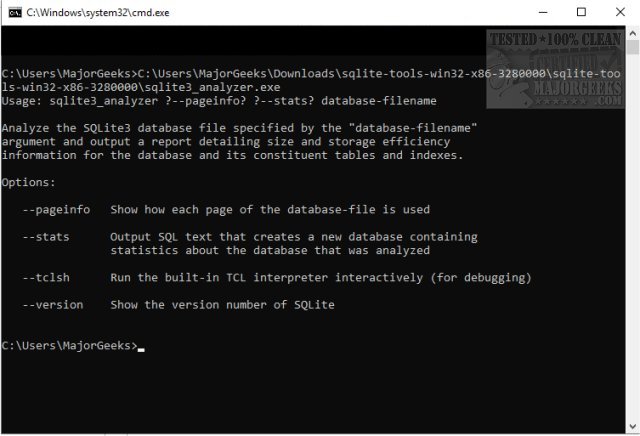
SQLite 3.53.0 has been released, introducing a more user-friendly command-line interface for managing SQLite databases, alongside a graphical user interface (GUI) version. SQLite is an in-process library that provides a self-contained, serverless, and zero-configuration SQL database engine. Unlike traditional SQL databases that operate through a separate server, SQLite directly reads and writes to disk files, allowing it to function effectively as an embedded database with multiple tables, indices, triggers, and views, all stored in a single file.
One of the standout features of SQLite is its cross-platform database file format, which allows for easy transfer of database files between different architectures, such as 32-bit and 64-bit systems, as well as between big-endian and little-endian formats. This capability has made SQLite a widely accepted application file format, even being recommended by the US Library of Congress.
SQLite is a compact library, typically under 600 KB in size, depending on the platform and compiler optimizations. It strikes a balance between memory use and performance, often performing faster than direct filesystem I/O, particularly when given more memory. Despite being lightweight, SQLite is renowned for its reliability and robustness, evidenced by its extensive testing regimen which includes millions of test cases to ensure high coverage and performance under various conditions, including power failures.
SQLite maintains transparency about its development and any existing bugs, unlike many commercial competitors, by providing detailed bug lists and tracking updates in real-time.
In conclusion, SQLite is ideal for applications requiring a reliable, lightweight, and efficient SQL database solution without the overhead of a separate server process, making it suitable for a wide range of uses from mobile applications to embedded systems. The latest version continues to enhance its usability while maintaining its trusted performance standards
One of the standout features of SQLite is its cross-platform database file format, which allows for easy transfer of database files between different architectures, such as 32-bit and 64-bit systems, as well as between big-endian and little-endian formats. This capability has made SQLite a widely accepted application file format, even being recommended by the US Library of Congress.
SQLite is a compact library, typically under 600 KB in size, depending on the platform and compiler optimizations. It strikes a balance between memory use and performance, often performing faster than direct filesystem I/O, particularly when given more memory. Despite being lightweight, SQLite is renowned for its reliability and robustness, evidenced by its extensive testing regimen which includes millions of test cases to ensure high coverage and performance under various conditions, including power failures.
SQLite maintains transparency about its development and any existing bugs, unlike many commercial competitors, by providing detailed bug lists and tracking updates in real-time.
In conclusion, SQLite is ideal for applications requiring a reliable, lightweight, and efficient SQL database solution without the overhead of a separate server process, making it suitable for a wide range of uses from mobile applications to embedded systems. The latest version continues to enhance its usability while maintaining its trusted performance standards
SQLite 3.53.0 released
SQLite enables a simplified command-line option for working with SQLite databases. GUI version is also available.