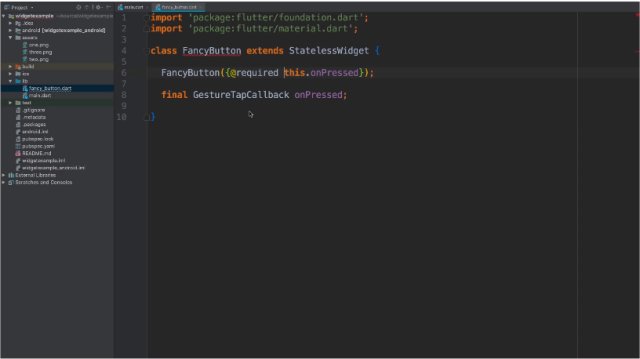
Flutter version 3.41.5 has been released, enhancing the framework that enables developers to create visually appealing native applications for both iOS and Android using a single codebase.
Key features of Flutter include:
- Fast Development: The "hot reload" feature allows developers to experiment, build user interfaces, add features, and fix bugs swiftly. It ensures sub-second reload times without losing the current state on various platforms like emulators, simulators, and physical devices.
- Expressive, Beautiful UIs: Flutter comes equipped with a variety of aesthetically pleasing widgets that adhere to Material Design and Cupertino styles, along with rich motion APIs and smooth scrolling, providing an engaging user experience.
- Native Performance: The framework's widgets are designed to accommodate essential platform-specific differences, ensuring optimal performance in terms of scrolling, navigation, icons, and fonts on both iOS and Android devices.
In addition to these features, Flutter continues to evolve, offering developers more tools and resources to enhance their app development process.
For instance, integrating multimedia elements into applications can be easily handled through straightforward code snippets. Below is an example of how to embed a YouTube video, allowing for seamless interaction within apps:
This code snippet demonstrates how to replace a clickable element with an embedded YouTube video upon interaction, enhancing user engagement in applications built with Flutter. As the framework continues to develop, developers can expect ongoing improvements and additional features that support innovative app designs and functionalities
Key features of Flutter include:
- Fast Development: The "hot reload" feature allows developers to experiment, build user interfaces, add features, and fix bugs swiftly. It ensures sub-second reload times without losing the current state on various platforms like emulators, simulators, and physical devices.
- Expressive, Beautiful UIs: Flutter comes equipped with a variety of aesthetically pleasing widgets that adhere to Material Design and Cupertino styles, along with rich motion APIs and smooth scrolling, providing an engaging user experience.
- Native Performance: The framework's widgets are designed to accommodate essential platform-specific differences, ensuring optimal performance in terms of scrolling, navigation, icons, and fonts on both iOS and Android devices.
In addition to these features, Flutter continues to evolve, offering developers more tools and resources to enhance their app development process.
For instance, integrating multimedia elements into applications can be easily handled through straightforward code snippets. Below is an example of how to embed a YouTube video, allowing for seamless interaction within apps:
javascriptdocument.getElementById("youtube-video").addEventListener("click", function() {
const iframe = document.createElement("iframe");
iframe.width = "560";
iframe.height = "340";
iframe.frameBorder = "0";
iframe.allow = "autoplay; encrypted-media";
iframe.allowFullscreen = true;
iframe.src = "https://www.youtube.com/embed/fq4N0hgOWzU?autoplay=1&rel=0&modestbranding=1";
this.replaceWith(iframe);
});
This code snippet demonstrates how to replace a clickable element with an embedded YouTube video upon interaction, enhancing user engagement in applications built with Flutter. As the framework continues to develop, developers can expect ongoing improvements and additional features that support innovative app designs and functionalities
Flutter 3.41.5 released
Flutter allows you to build beautiful native apps on iOS and Android from a single codebase.