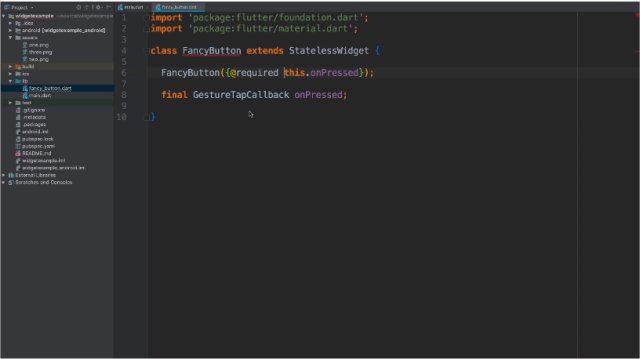
Flutter has released version 3.41.3, enhancing its capabilities for building stunning native applications on both iOS and Android platforms using a single codebase. One of the standout features of Flutter is its fast development cycle, facilitated by the hot reload functionality. This allows developers to experiment, build user interfaces, integrate new features, and rectify bugs swiftly, achieving sub-second reload times without losing the current state on various devices, including emulators and hardware.
The framework offers expressive and visually appealing user interfaces, equipped with built-in Material Design and Cupertino (iOS-style) widgets. These elements enrich the user experience with smooth motion APIs, natural scrolling, and awareness of platform-specific nuances.
Moreover, Flutter ensures native performance by incorporating essential platform differences in its widgets, such as navigation, scrolling behavior, icons, and fonts, delivering a seamless experience for users across both iOS and Android platforms.
To enrich user engagement, Flutter also provides interactive features that can be easily integrated into applications. For instance, developers can embed videos using simple JavaScript to create dynamic elements that enhance content visibility and interaction.
As Flutter continues to evolve, it remains a powerful tool for developers looking to create high-quality, cross-platform applications efficiently. Future updates are expected to further refine performance and expand widget libraries, making it an even more attractive option for mobile app development
The framework offers expressive and visually appealing user interfaces, equipped with built-in Material Design and Cupertino (iOS-style) widgets. These elements enrich the user experience with smooth motion APIs, natural scrolling, and awareness of platform-specific nuances.
Moreover, Flutter ensures native performance by incorporating essential platform differences in its widgets, such as navigation, scrolling behavior, icons, and fonts, delivering a seamless experience for users across both iOS and Android platforms.
To enrich user engagement, Flutter also provides interactive features that can be easily integrated into applications. For instance, developers can embed videos using simple JavaScript to create dynamic elements that enhance content visibility and interaction.
As Flutter continues to evolve, it remains a powerful tool for developers looking to create high-quality, cross-platform applications efficiently. Future updates are expected to further refine performance and expand widget libraries, making it an even more attractive option for mobile app development
Flutter 3.41.3 released
Flutter allows you to build beautiful native apps on iOS and Android from a single codebase.