Microsoft has unveiled version 2.3.331 of the Attack Surface Analyzer (ASA), a tool designed to help users assess the security of their operating system by identifying changes that may occur during software installations. This latest update focuses on enhancing the tool's performance and reliability through several key improvements.
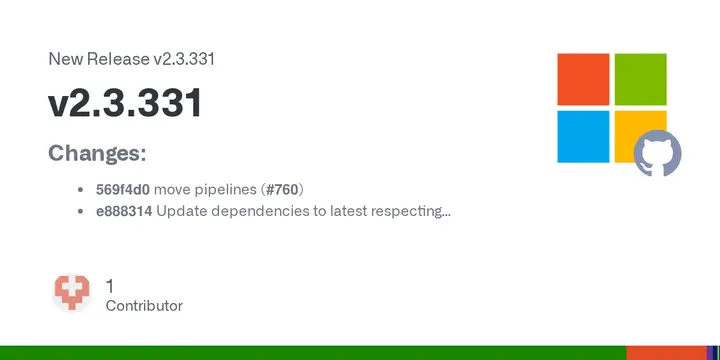
Notably, the update includes significant enhancements in the management of software pipelines, exemplified by the commit '569f4d0'. While the visible features for users may not have undergone major changes, Microsoft's internal modifications aim to optimize the tool's functionality. Furthermore, the update ensures that all NuGet dependencies are aligned with the latest versions, adhering to framework compatibility to facilitate smooth operations.
These efforts underscore Microsoft's commitment to addressing user needs and enhancing the robustness of the ASA tool. By refining its capabilities, users can better monitor their operating system's security posture over time, especially during software installations and updates. Such proactive measures are essential for maintaining system integrity and safety.
Release Summary for Attack Surface Analyzer v2.3.331:
- Improved pipeline management for better internal processes.
- Updated dependencies to comply with the latest framework version restrictions.
- All NuGet dependencies have been updated to the latest compatible versions.
In conclusion, the release of ASA version 2.3.331 demonstrates Microsoft's dedication to continuously refining its security tools, ensuring that users have access to reliable resources for monitoring and enhancing their system's safety. Future updates may further expand functionality and user interface improvements, reinforcing ASA's role as a critical asset for cybersecurity management
Notably, the update includes significant enhancements in the management of software pipelines, exemplified by the commit '569f4d0'. While the visible features for users may not have undergone major changes, Microsoft's internal modifications aim to optimize the tool's functionality. Furthermore, the update ensures that all NuGet dependencies are aligned with the latest versions, adhering to framework compatibility to facilitate smooth operations.
These efforts underscore Microsoft's commitment to addressing user needs and enhancing the robustness of the ASA tool. By refining its capabilities, users can better monitor their operating system's security posture over time, especially during software installations and updates. Such proactive measures are essential for maintaining system integrity and safety.
Release Summary for Attack Surface Analyzer v2.3.331:
- Improved pipeline management for better internal processes.
- Updated dependencies to comply with the latest framework version restrictions.
- All NuGet dependencies have been updated to the latest compatible versions.
In conclusion, the release of ASA version 2.3.331 demonstrates Microsoft's dedication to continuously refining its security tools, ensuring that users have access to reliable resources for monitoring and enhancing their system's safety. Future updates may further expand functionality and user interface improvements, reinforcing ASA's role as a critical asset for cybersecurity management
AttackSurfaceAnalyzer 2.3.331 released
Microsoft has released a new version of the Attack Surface Analyzer (ASA) tool, version 2.3.331, which includes several behind-the-scenes improvements aimed at enhancing its performance and reliability. These changes focus on updating pipeline management and aligning NuGet dependencies with the latest versions to ensure framework compatibility. The update suggests that Microsoft is prioritizing user needs and aiming to provide a robust tool for monitoring OS security posture over time. By refining ASA in this way, users can effectively monitor their system's safety during software installations and updates.